The U.S. Department of Transportation (USDOT) has officially annulled the final $11 million portion of a penalty levied against Southwest Airlines for its widespread operational collapse during the 2022 holiday season. This decision concludes one of the most tumultuous chapters in the airline’s history, which left millions of travelers stranded.
The move is part of a larger $140 million settlement but signals a significant regulatory gesture. According to the USDOT, the waiver acknowledges the carrier’s substantial investments and efforts to prevent a recurrence of such a large-scale disruption.
A Landmark Penalty for an Unprecedented Failure
The original penalty, finalized in December 2023, was a direct consequence of the chaos that unfolded in late December 2022. A severe winter storm crippled Southwest’s outdated crew scheduling systems, leading to a cascade of cancellations and delays that far surpassed those of other U.S. carriers.
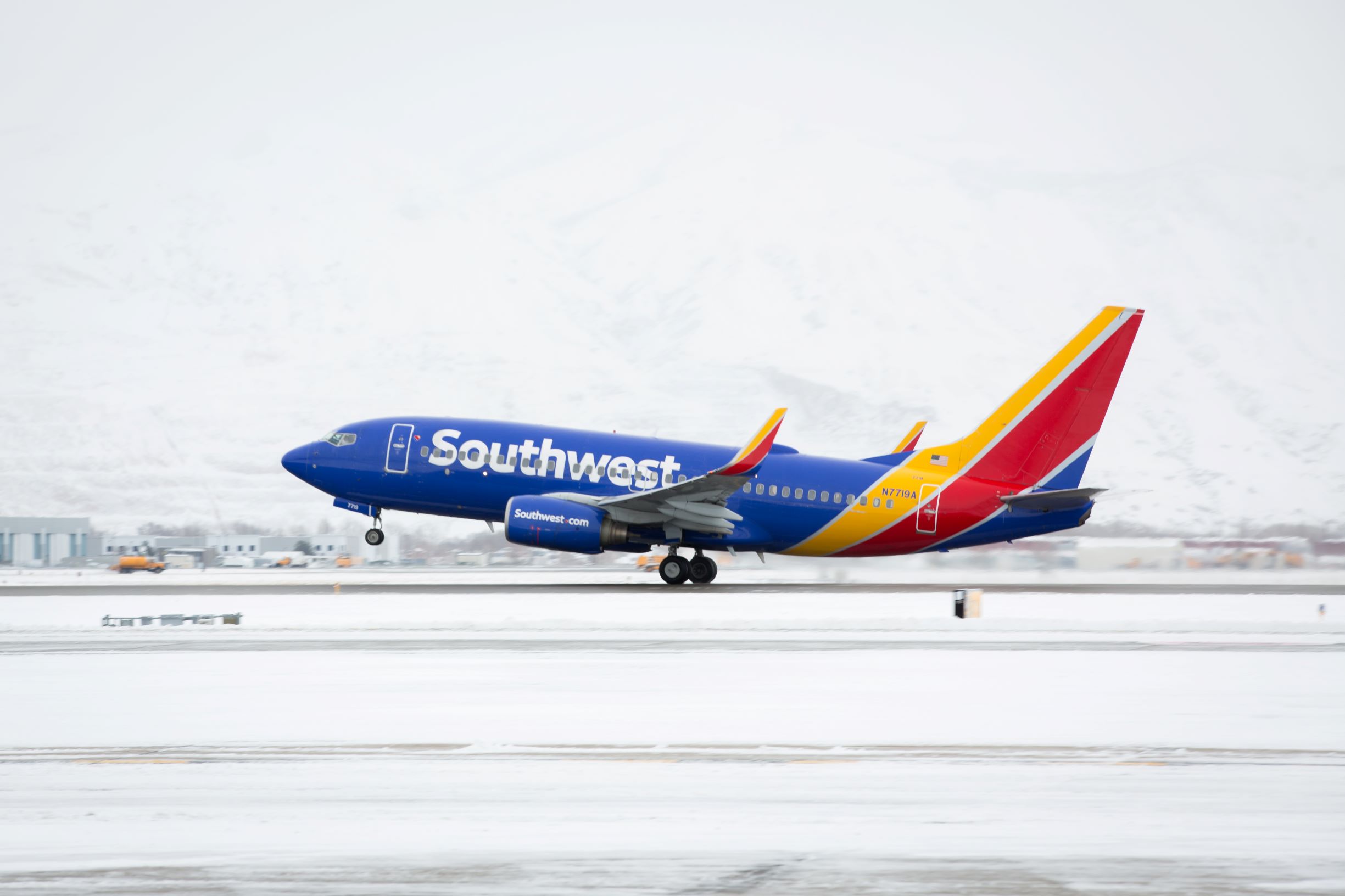
Over 16,700 flights were canceled, leaving more than two million passengers stranded during the peak Christmas and New Year’s travel period. The incident drew intense scrutiny from the public and federal regulators.
Details of the Original Settlement
The comprehensive settlement required Southwest to take significant financial responsibility. The agreement was structured as follows:
- A $35 million cash payment made directly to the U.S. Treasury.
- $90 million in travel vouchers of $75 or more, to be distributed to passengers experiencing significant delays or cancellations caused by the airline in the future.
- The remaining $11 million fine, which was scheduled for payment by the end of January and has now been waived.
This penalty was the largest consumer protection fine ever imposed by the USDOT on an airline, underscoring the severity of the operational failure.
Why Regulators Annulled the Final Payment
In its official order, the Department of Transportation justified the decision by pointing to Southwest’s proactive and costly measures to overhaul its operations. The regulator stated that the airline has invested over $1 billion since the 2022 crisis to upgrade its technology and improve its winter weather preparedness.
The USDOT explained that waiving the final payment serves as an incentive for airlines to make substantial, voluntary investments in operational resilience. This approach, the department argued, ultimately provides greater benefits to consumers by fostering a more reliable air travel system.
Southwest Airlines welcomed the decision, issuing a statement highlighting its operational transformation over the past two years. The carrier claims these changes have resulted in industry-leading performance in on-time arrivals and flight completion rates.
A Shift in Consumer Protection Policy
This action is seen by many industry observers as indicative of a broader shift in regulatory philosophy under the current administration of Donald Trump. The focus appears to be moving from purely punitive measures to a model that encourages and rewards proactive corporate investment in infrastructure and technology.
This contrasts with initiatives pursued during the previous Biden administration. For instance, in December 2024, the USDOT under President Biden had sought public comment to establish new rules mandating cash compensation for passengers affected by airline-caused disruptions—a proposal that was later shelved.
Dropped Lawsuits and a New Direction
Further evidence of this policy shift came in May when the USDOT withdrew a lawsuit filed during the final days of the Biden administration. The suit had accused Southwest of illegally operating flights with chronic, long-term delays.
Southwest contested the allegations, attributing the scheduling issues to the lingering effects of the COVID-19 pandemic and other factors beyond its control. The withdrawal of the lawsuit, followed by the annulment of the fine, suggests a more collaborative regulatory environment.
Future Implications for Southwest and its Passengers
The decision to waive the fine provides tangible financial relief for Southwest Airlines. More importantly, it serves as a vote of confidence from regulators in the airline’s commitment to reform. For the industry, it sets a precedent that significant, verifiable operational improvements may be met with regulatory flexibility.
However, the true test for Southwest lies not in regulatory actions but in its performance. The carrier’s primary challenge remains regaining the full trust of the passengers affected by the 2022 meltdown.
With its billion-dollar investment now in place and a renewed operational strategy, Southwest must consistently demonstrate its newfound stability and reliability, especially during peak travel seasons and periods of severe weather. The airline’s ability to do so will ultimately determine whether this chapter is truly closed.