
Airbus maintained a steady pace of commercial activity in November, delivering 72 aircraft to 42 customers and securing 75 new orders. These figures, while solid, underscore the significant production challenge the European planemaker faces in meeting its revised annual delivery target amid ongoing industrial pressures.
Year-to-date, Airbus has delivered a total of 657 aircraft to 87 customers, leaving a substantial gap to close in the final month of the year. The consistent performance in November highlights the robust demand for new, fuel-efficient aircraft but also brings the company’s production capabilities into sharp focus.
November Performance Metrics
The delivery of 72 aircraft reflects a slight decrease from the previous month but demonstrates the manufacturer’s efforts to navigate a complex supply chain environment. The deliveries spanned Airbus’s popular single-aisle and widebody product lines, which continue to be sought after by airlines globally for fleet renewal and expansion.
On the commercial front, the company logged 75 gross new orders. This steady influx of orders indicates continued airline confidence in Airbus products and the broader recovery of the aviation sector. These orders are crucial for reinforcing Airbus’s extensive backlog, which provides production visibility for years to come.
Annual Delivery Target Under Pressure
Earlier in the year, Airbus had set an ambitious goal of delivering 820 commercial aircraft. However, persistent supply chain disruptions and specific production challenges forced a downward revision of this forecast.
The company officially adjusted its 2025 delivery target to approximately 790 aircraft. With 657 jets delivered by the end of November, Airbus must now hand over 133 aircraft in December to meet this updated goal. Achieving such a high number in a single month represents a formidable challenge and will require a significant acceleration of production and delivery processes.
Production Headwinds and Quality Control
Recent statements from Airbus leadership have shed light on the specific issues impacting the production ramp-up, particularly concerning its best-selling A320 family of aircraft. CEO Guillaume Faury has acknowledged that recent delivery figures have been affected by a combination of software and manufacturing quality issues.
A320 Family Production Snags
The manufacturer has been contending with two distinct problems that have slowed momentum. One issue involved a software glitch in the flight control systems of the A320neo family, which required a recall and swift updates to the global in-service fleet to ensure operational integrity.
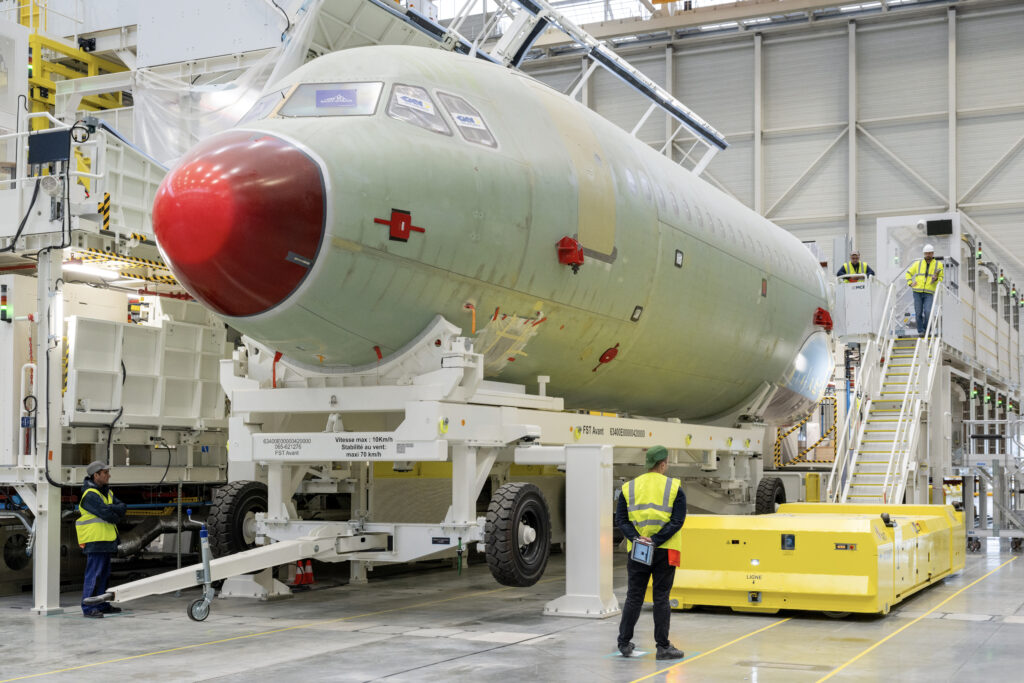
Compounding this, a separate industrial quality issue was identified concerning metal fuselage panels on a number of A320 aircraft. This problem, traced back to a supplier, has necessitated additional inspections and rework on the assembly line, inevitably slowing the pace of new aircraft completions and handovers.
Broader Industry Context
Airbus’s production challenges are not occurring in a vacuum. The entire aerospace industry is grappling with a fragile supply chain, skilled labor shortages, and high inflation. Despite these hurdles, the underlying demand from airlines remains strong as they seek to capitalize on rebounding travel demand and improve efficiency to meet sustainability goals.
Fleet modernization is a top priority for carriers, driving orders for new-generation aircraft like the Airbus A320neo and A350 families. The ability of manufacturers like Airbus and its main competitor, Boeing, to ramp up production to meet this demand is a key determinant of the industry’s overall health.
While the path to meeting its year-end goal is steep, Airbus’s sustained efforts throughout November reflect its commitment to overcoming these challenges and fulfilling its commitments to customers worldwide.