
Airbus has officially revised its commercial aircraft delivery target for 2025, reducing the forecast from 820 to approximately 790 aircraft. The adjustment comes in the wake of a significant supply chain disruption that has slowed the production of its best-selling A320 family, creating a formidable challenge for the manufacturer heading into the final month of the year.
The European planemaker’s November 2025 delivery figures reflect this pressure, with 72 aircraft handed over to 42 customers worldwide. This represents a 12% decrease compared to the same month last year and a drop from the 78 jets delivered in October, which had marked a high point for the year.
Fuselage Flaw Forces Production Slowdown
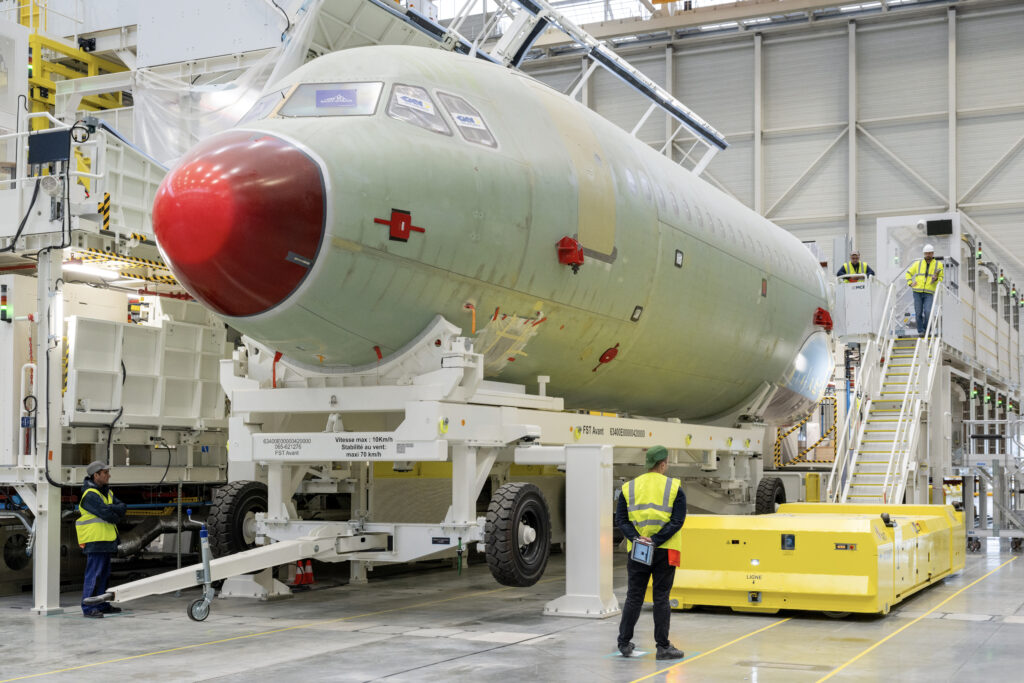
The core of the Airbus delivery shortfall is a quality control issue traced back to a key supplier. The problem involves metal fuselage panels for A320-family aircraft that were manufactured to an incorrect thickness by the Spanish supplier Sofitec Aero. This defect has had a cascading effect on the production line.
According to internal documents, the issue impacts a total of 628 aircraft at various stages. This includes 168 jets already in service with airlines, 245 currently on final assembly lines, and another 215 in earlier production phases. The discovery has forced Airbus to halt some handovers to conduct thorough inspections and, where necessary, replace the affected panels.
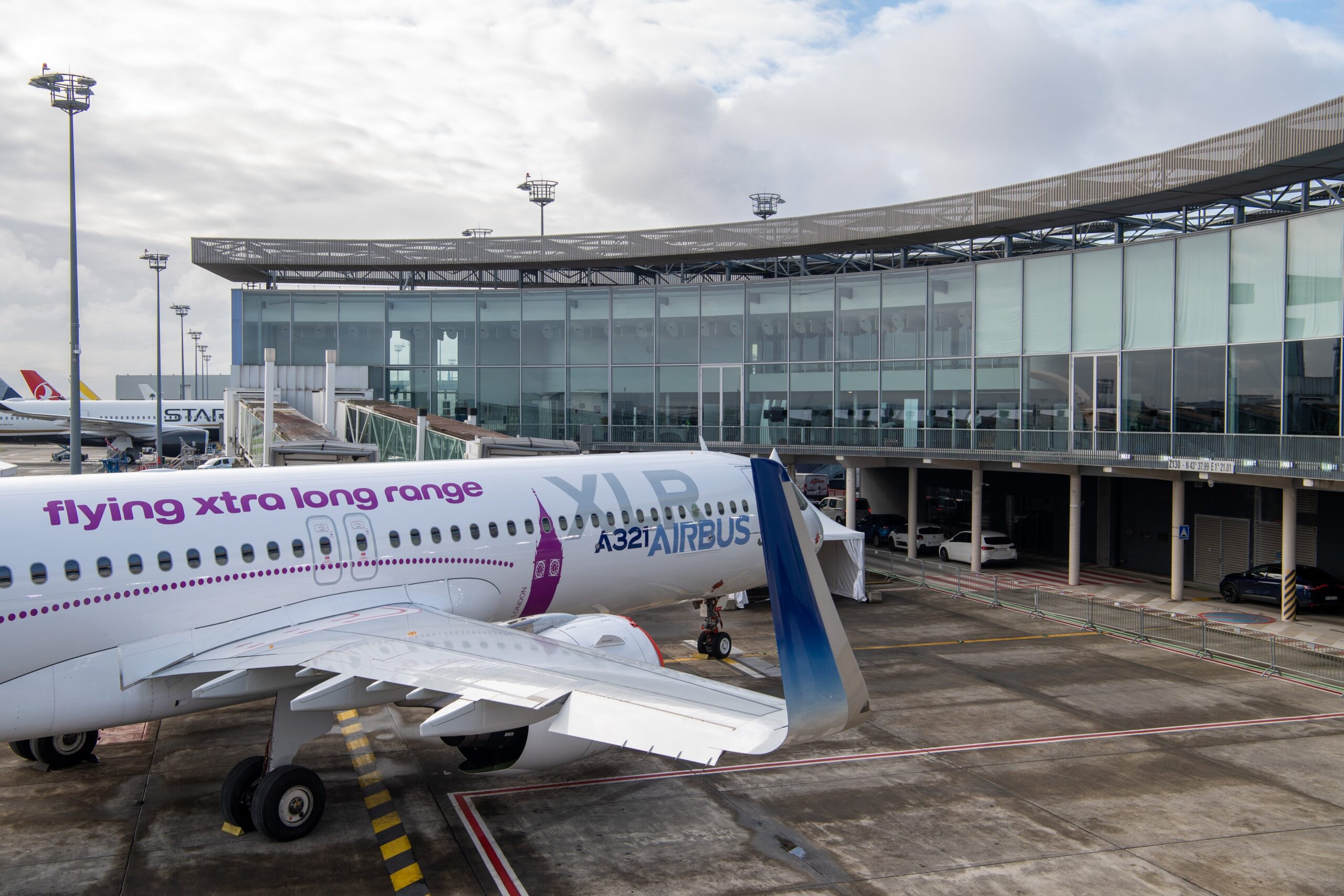
In an official statement, Airbus has assured airlines and the public that the issue poses no immediate safety risk to aircraft currently in operation, describing the problem as “contained.”
Revising the Annual Target: A Look at the Numbers
Faced with mounting delays, Airbus formally announced the reduction of its 2025 delivery goal. In a press release, the company attributed the change directly to the supplier quality issue impacting its A320 delivery flow.
“Based on a recent supplier quality issue on fuselage panels impacting its A320 Family delivery flow, Airbus is providing an update to its commercial aircraft delivery guidance for 2025,” the statement read. “The Company now targets around 790 commercial aircraft deliveries in 2025.”
Despite the significant cut in production volume, Airbus confirmed that it maintains its financial guidance for the year. This suggests that the financial impact of the delivery shortfall is being managed, potentially through contingency planning or insurance, without affecting projected profitability.
November Deliveries: A Mixed Performance
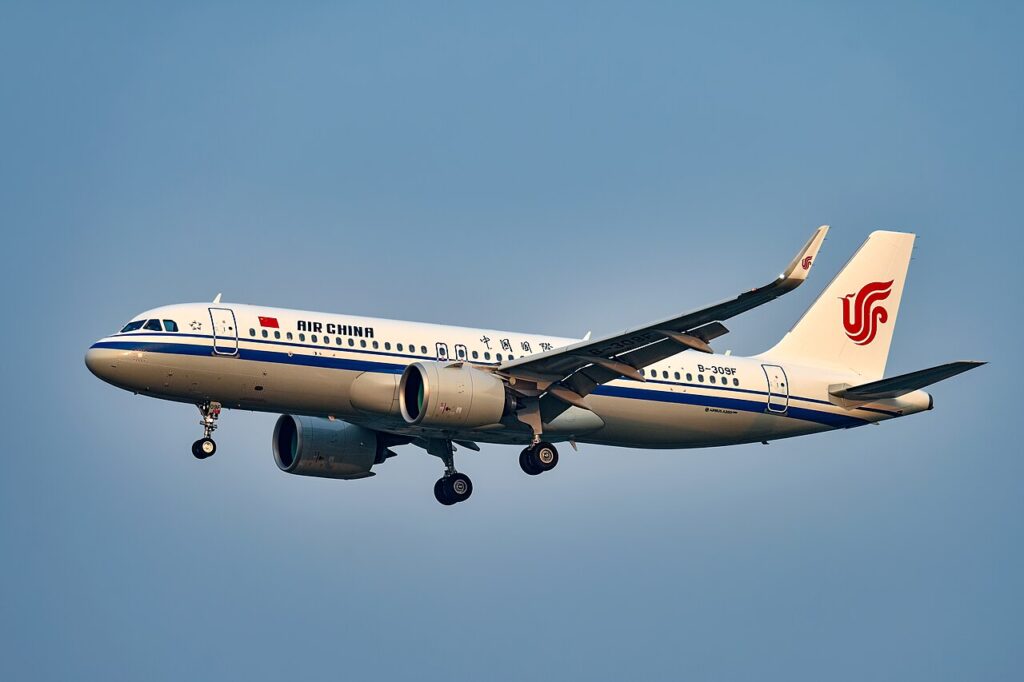
The slowdown in the A320 program was evident in the November figures. Only 54 A320-family jets were delivered, a notable decrease from 62 in the previous month. However, the month brought positive news for the A220 program, which achieved a 2025 high of 10 deliveries, moving closer to its target production rate of 14 per month by 2027.
In contrast, rival Boeing is expected to have delivered around 44 aircraft in November, highlighting the distinct production challenges each manufacturing giant is currently navigating.
Airbus Deliveries in November 2025
| Aircraft Model | Number Delivered |
|---|---|
| A220 | 10 |
| A319neo | 1 |
| A320neo | 18 |
| A321neo | 35 |
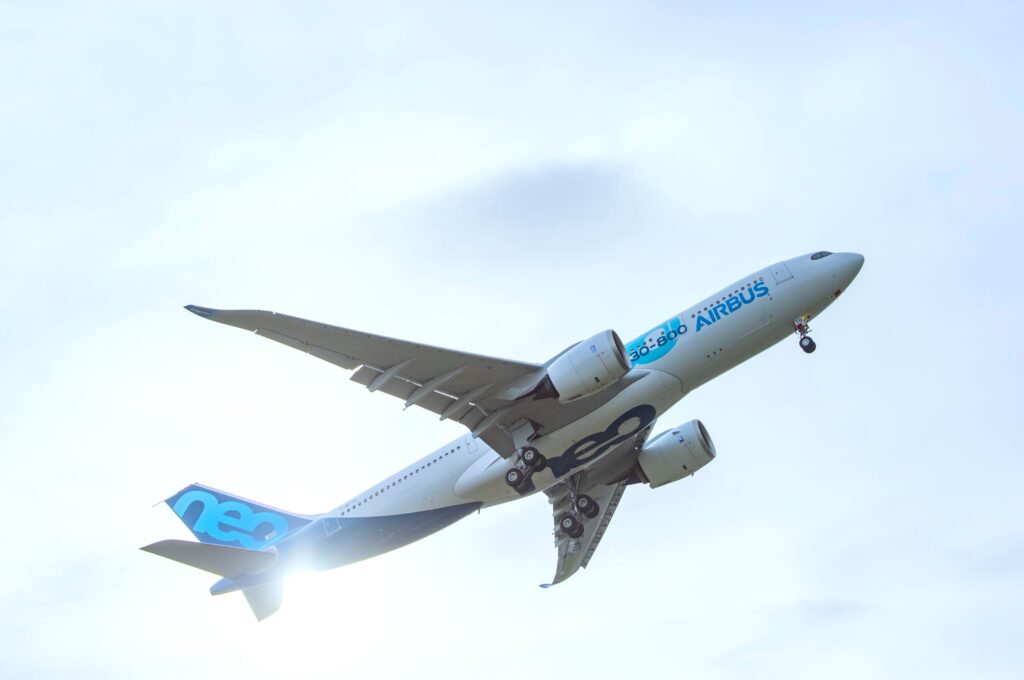
| A330neo | 4 |
| A350 | 4 |
| Total | 72 |
Year-to-Date Totals and Top Airline Customers
With November’s figures, Airbus has delivered a total of 657 aircraft in 2025 to 87 customers. The scale of its global operations is reflected in the high volume of deliveries to several key airlines:
- IndiGo: The Indian low-cost carrier has received 41 A320 and A321 aircraft this year, part of its massive order backlog of over 1,200 jets.
- China Southern: The airline has taken delivery of 39 aircraft, including A319neos, A320neos, and A321neos.
- Delta Air Lines: The US carrier has integrated 35 new Airbus jets into its fleet, spanning four models: the A220, A321neo, A330-900, and A350-900.
The December Challenge: A Race Against the Clock
To meet its revised target of 790 deliveries, Airbus must now achieve a monumental task: delivering 133 aircraft in December alone. This figure is nearly double the monthly average for 2025 and pushes the company’s logistical and production capabilities to their absolute limit.
For context, Airbus’s all-time record for monthly deliveries was set in December 2019, when it handed over 138 aircraft. Achieving a number so close to this historical peak will require a flawless execution and assumes no further unforeseen delays from its global supply chain.
Broader Implications for a Strained Supply Chain
This incident underscores the persistent fragility of the global aerospace supply chain. As manufacturers like Airbus and Boeing push to ramp up production to meet record-breaking demand, they remain highly vulnerable to quality control lapses from hundreds of subcontractors.
For airlines eagerly awaiting new, fuel-efficient aircraft to expand routes and renew their fleets, such delays can disrupt growth strategies and operational planning. The Airbus delivery shortfall serves as a critical reminder of the complex, interconnected nature of modern aircraft manufacturing and the immense pressure the entire ecosystem is under.