

Madrid, Spain – In a significant development, the CEO and the majority shareholder of Plus Ultra Líneas Aéreas have been arrested as part of a high-level investigation into alleged money laundering. The operation, conducted by Spain’s Economic and Fiscal Crime Unit (UDEF), targets the financial activities of the airline following its controversial government bailout in 2021.
The arrests of CEO Roberto Roselli and owner Julio Martínez on Wednesday mark a dramatic turn in a case that has drawn political and financial scrutiny for years. The investigation shifts focus from the legality of the public rescue funds to the subsequent use of that capital and the airline’s broader financial dealings.
The UDEF Operation: A Focus on Money Laundering
Raid on Airline Headquarters and Key Arrests
Acting on the orders of Madrid’s Investigating Court No. 15, UDEF officers carried out a search of Plus Ultra’s headquarters in Alcobendas, a suburb of Madrid. The operation culminated in the detention of Roselli and Martínez, who are central figures in the ongoing probe.
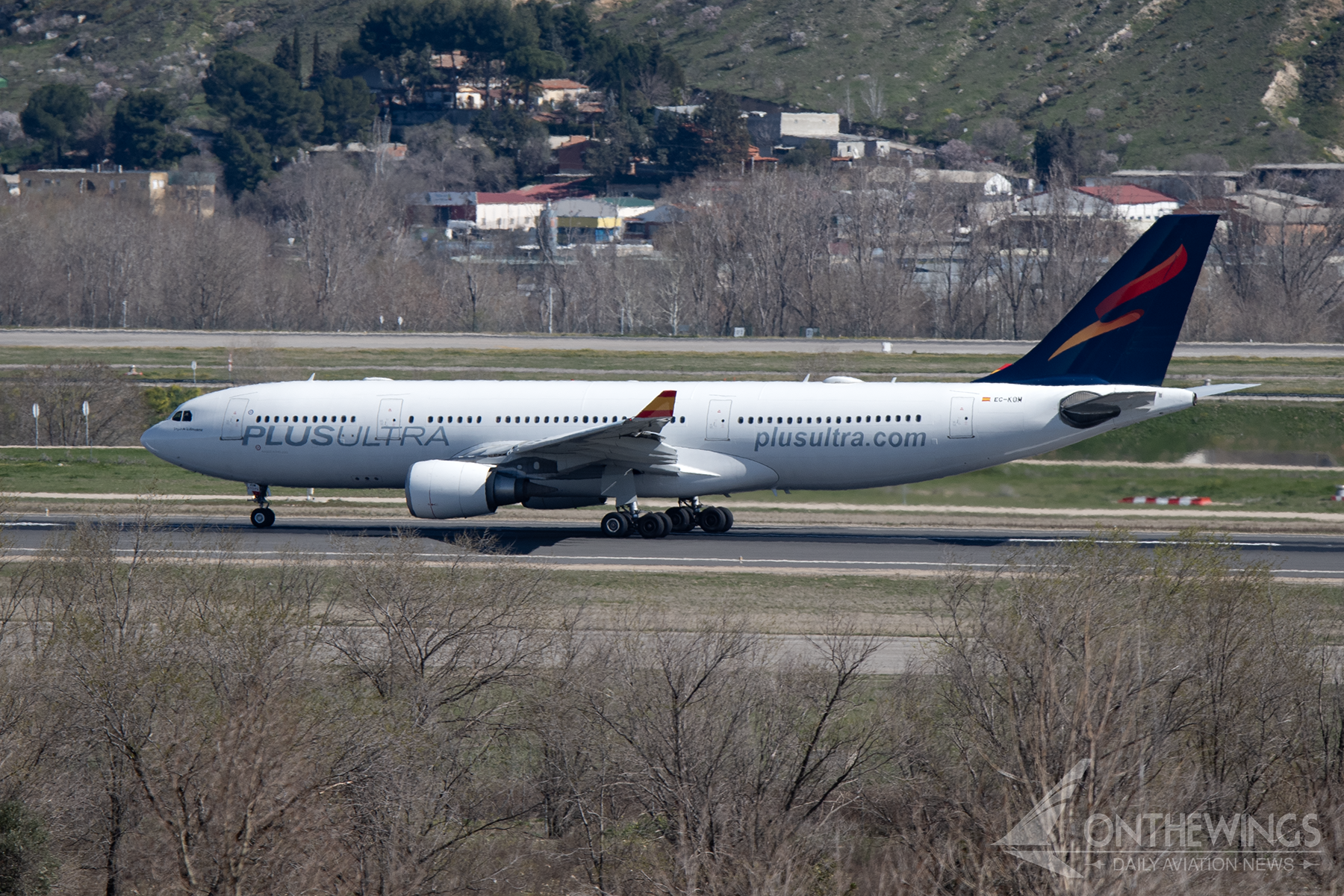
Sources close to the investigation indicate that authorities are examining complex financial circuits and potential laundering operations connected to the airline. The inquiry is reportedly analyzing how both private resources and the public funds from the government bailout were managed, as well as the airline’s relationships with partners, intermediaries, and associated companies.
A Controversial Bailout at the Heart of the Scandal
The €53 Million SEPI Rescue Fund
In March 2021, at the height of the COVID-19 crisis, Plus Ultra received a €53 million rescue package from Spain’s Solvency Support Fund for Strategic Companies. The fund, managed by the state-owned industrial holding company SEPI (Sociedad Estatal de Participaciones Industriales), was designed to prop up critical businesses impacted by the pandemic.
The government justified the bailout by citing the airline’s role in maintaining long-haul connectivity between Spain and Latin America. However, the decision was immediately met with skepticism and political opposition.
Questions of “Strategic” Importance and Political Ties
Critics questioned whether Plus Ultra, a small airline with a limited fleet and market share, truly qualified as a “strategic” asset for the country. At the time, larger carriers were also facing severe financial distress, raising questions about the criteria used for the allocation of public funds.
The controversy was further fueled by the airline’s connections to Venezuela. Co-founder Roberto Roselli and other partners have been linked to business interests associated with the Nicolás Maduro regime, adding a layer of political risk and scrutiny to the airline’s profile.
From an Administrative Inquiry to a Criminal Probe
Initial Court Case Dismissed
The initial bailout led to a legal challenge alleging misappropriation of public funds and fraud. However, in January 2023, a judge dismissed the case. The ruling was based on reports from SEPI and external consultants, which affirmed that the approval process had formally complied with the established legal framework.
Despite this dismissal, court-appointed experts raised persistent doubts about whether Plus Ultra was already in financial crisis before the pandemic—a condition that should have disqualified it from receiving the state aid. This tension between formal procedure and financial reality laid the groundwork for further investigation.
A New Focus: The Flow of Funds
The current UDEF investigation is distinct from the first case. Its focus is not on the decision-making process behind the bailout but on the subsequent financial activities. The probe seeks to determine if the company’s financial structure was used for illicit purposes, including the laundering of capital from various sources.
Severe Implications for Plus Ultra Airline
While the investigation is sealed, the immediate fallout from the money laundering arrests poses a significant threat to Plus Ultra on multiple fronts.
- Operational Impact: The criminal probe could severely restrict the airline’s access to financing, aircraft leasing agreements, and other critical services, as banks and suppliers reassess their risk exposure. It may also trigger intensified oversight from the Spanish State Air Safety Agency (AESA).
- Commercial Damage: In the competitive long-haul market to Latin America, where carriers like Iberia and Air Europa dominate, trust is paramount. Allegations of money laundering can deter corporate clients and travel agencies, leading to a direct loss of revenue.
- Reputational Crisis: The constant association of the Plus Ultra brand with controversial bailouts and now criminal allegations inflicts deep and lasting damage to its public image, eroding customer confidence in its stability and reliability.
A Case Amplified by a Tense Political Climate
The arrests at Plus Ultra occur amid a polarized political environment in Spain, where the government has faced scrutiny over several unrelated cases involving the management of public funds and alleged corruption. This context amplifies the public and media interest in the airline’s situation.
The case reopens the debate on the due diligence and control mechanisms applied by state institutions when deploying public money. For Plus Ultra, the challenge is now to navigate a criminal investigation that threatens its operational viability and its very existence in the commercial aviation sector.