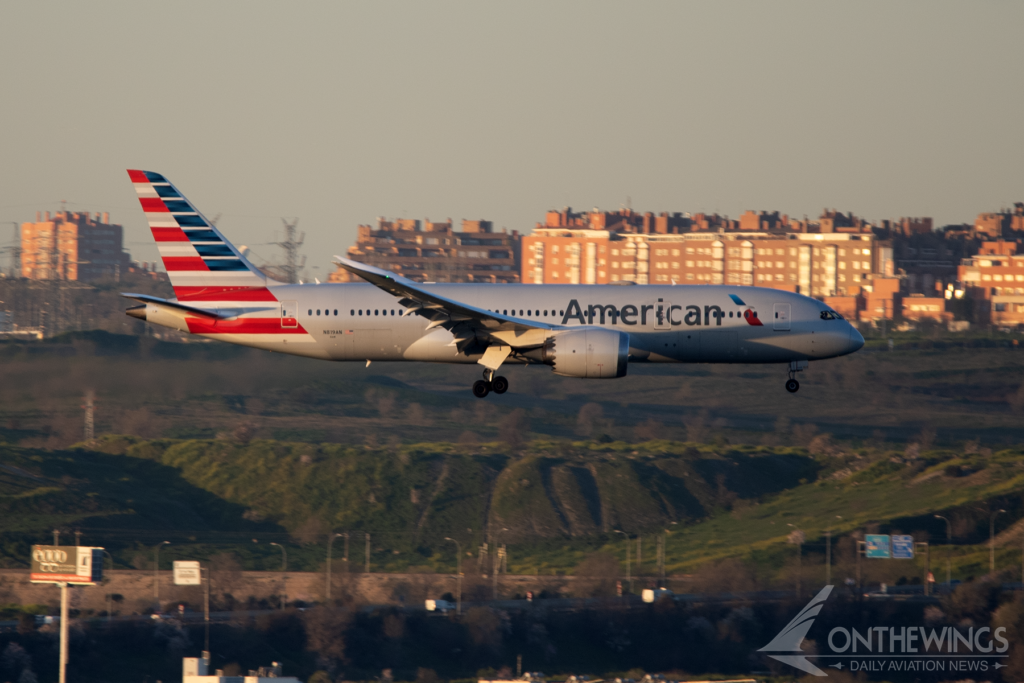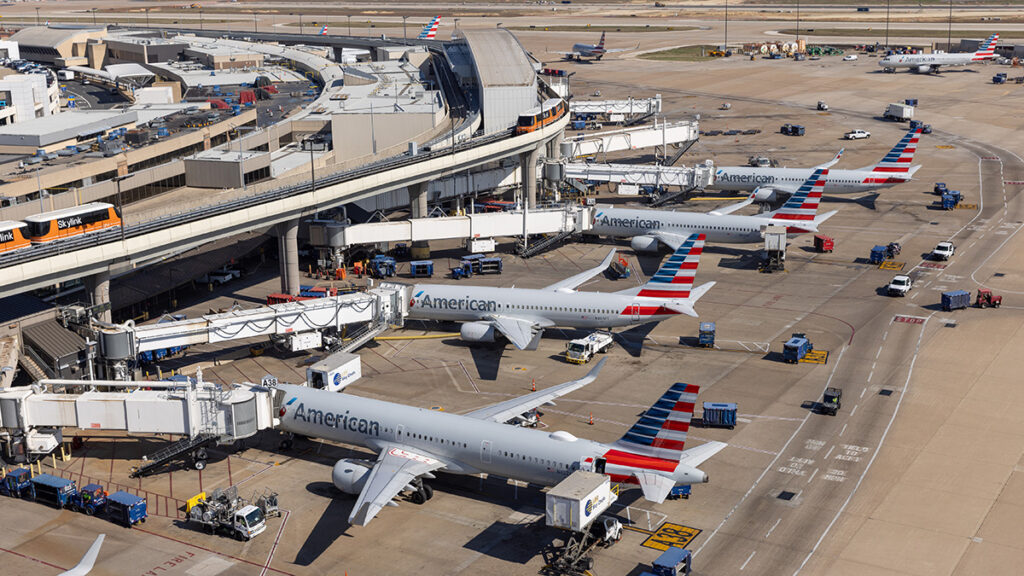

American Airlines is in discussions with Amazon to potentially use the technology giant’s emerging satellite network for its in-flight Wi-Fi services. The talks, confirmed by American’s CEO Robert Isom, signal a strategic move to evaluate next-generation connectivity solutions as competition in the satellite internet market intensifies.
The negotiations center on Amazon Leo, formerly known as Project Kuiper, a low-Earth-orbit (LEO) satellite constellation designed to provide high-speed, low-latency broadband internet globally. This development places American Airlines at the forefront of exploring alternatives to established providers and new entrants like SpaceX’s Starlink.
A New Era for In-Flight Connectivity
For years, in-flight Wi-Fi has been a pain point for travelers, often characterized by slow speeds, high latency, and unreliable connections. This was largely due to a reliance on geostationary (GEO) satellites, which orbit approximately 36,000 kilometers (about 22,000 miles) above the Earth. The vast distance creates a significant delay, or latency, in data transmission.
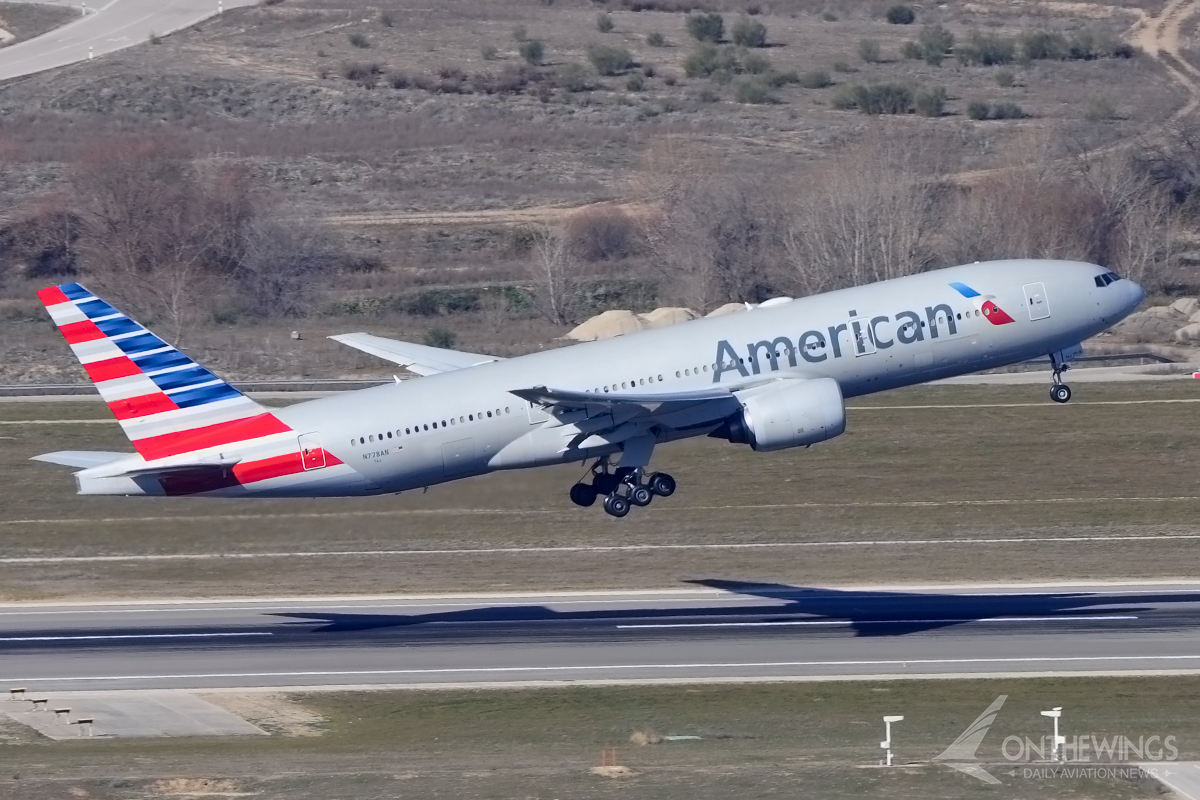
The arrival of LEO satellite constellations is revolutionizing the industry. Orbiting at a much lower altitude of around 550 kilometers (about 340 miles), LEO networks drastically reduce latency, offering a user experience comparable to ground-based fiber-optic broadband. This technological shift has prompted airlines to reassess their connectivity strategies to meet rising passenger expectations.
American Airlines Explores Amazon’s LEO Network
In a recent interview with Bloomberg, CEO Robert Isom confirmed the ongoing talks with Amazon. “We’re making sure that American is going to have what our customers need,” he stated, emphasizing the airline’s commitment to enhancing its onboard services. While Isom did not disclose the specific stage of the negotiations, the public acknowledgment highlights a significant shift in the carrier’s approach.
American Airlines currently uses a mix of providers, including Viasat, for its in-flight internet. The carrier also recently announced a partnership with AT&T to offer complimentary Wi-Fi to its loyalty program members. By engaging with Amazon, the airline is signaling its intent to stay competitive and leverage the evolving market to secure better performance and pricing.
Isom suggested that the rapid advancement of satellite technology will lead to more favorable terms for airlines. “As that comes, I think that there’s going to be better deals to be had,” he remarked, indicating a strategy of keeping options open as multiple LEO networks vie for market share.
The Competitive Landscape and Starlink’s Influence
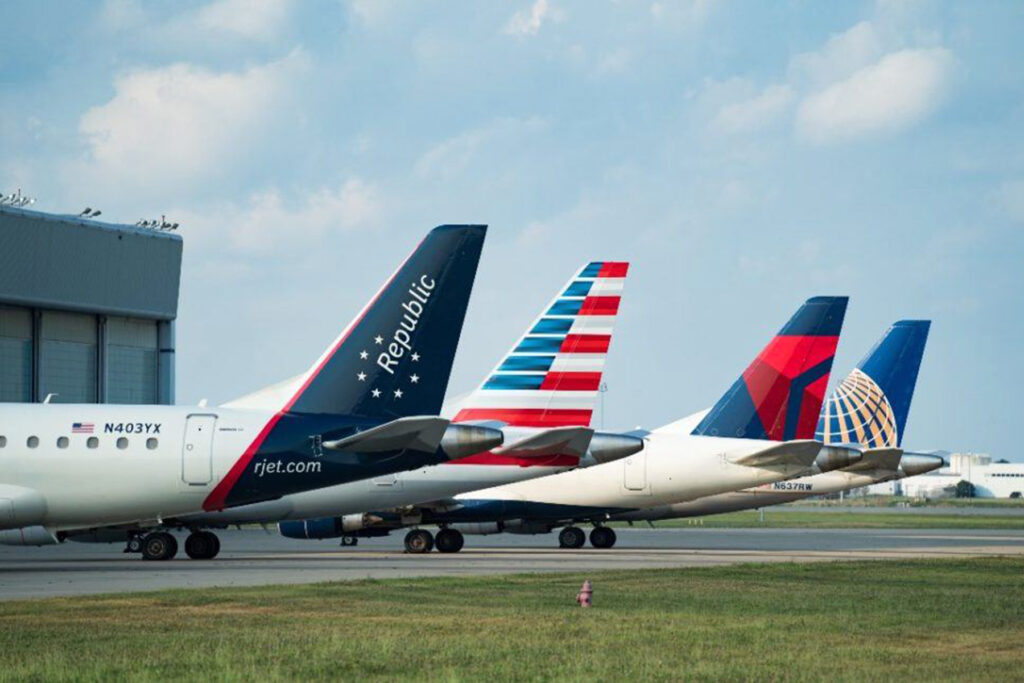
American’s interest in Amazon Leo comes as several of its key competitors have already embraced SpaceX’s Starlink Aviation service. Airlines such as United Airlines, Alaska Airlines, Emirates, and Hawaiian Airlines have signed agreements to equip their fleets with Starlink, which has set a new benchmark for in-flight Wi-Fi speed and reliability.
These early adoptions have put pressure on other major carriers to upgrade their own connectivity offerings. By exploring a partnership with Amazon, American Airlines is evaluating a powerful alternative that could provide a competitive edge in performance, cost, or both, preventing a potential monopoly in the LEO aviation market.
What is Amazon Leo (Project Kuiper)?
Amazon Leo is the company’s ambitious initiative to build a constellation of over 3,200 LEO satellites. The project aims to provide fast, affordable broadband to unserved and underserved communities worldwide, as well as enterprise, government, and mobility customers—including airlines.
Amazon has made significant progress, with more than 150 satellites currently in orbit. The company has initiated a “preview program” with select enterprise clients to test the network’s capabilities. A full commercial rollout is anticipated to begin in 2026, aligning with the timelines for airlines looking to make long-term connectivity decisions.
The network is designed to deliver low-latency broadband on a global scale, mirroring the architecture that has enabled Starlink’s rapid success. For more information on the project, Amazon maintains an official page on its Amazon Leo initiative.
Strategic Implications for American and Amazon
For American Airlines, a potential deal with Amazon Leo represents more than just a technology upgrade. It is a strategic move to ensure it can offer a passenger experience that rivals its competitors. Access to a next-generation LEO network would allow for high-bandwidth activities like streaming 4K video, live gaming, and seamless video calls for all passengers simultaneously.
For Amazon, securing a partnership with a major carrier like American Airlines would be a landmark achievement. It would provide a high-visibility, high-demand environment to validate its technology and establish a strong foothold in the lucrative commercial aviation market. Such an agreement would be a significant win as it competes directly with SpaceX for dominance in satellite-based connectivity.
While no final decisions have been made, the discussions between American Airlines and Amazon underscore a pivotal moment in the evolution of in-flight services. As passengers demand faster and more reliable Wi-Fi, the airline industry is turning to the skies above to find the solution. The outcome of these talks could reshape the landscape of onboard connectivity for years to come.