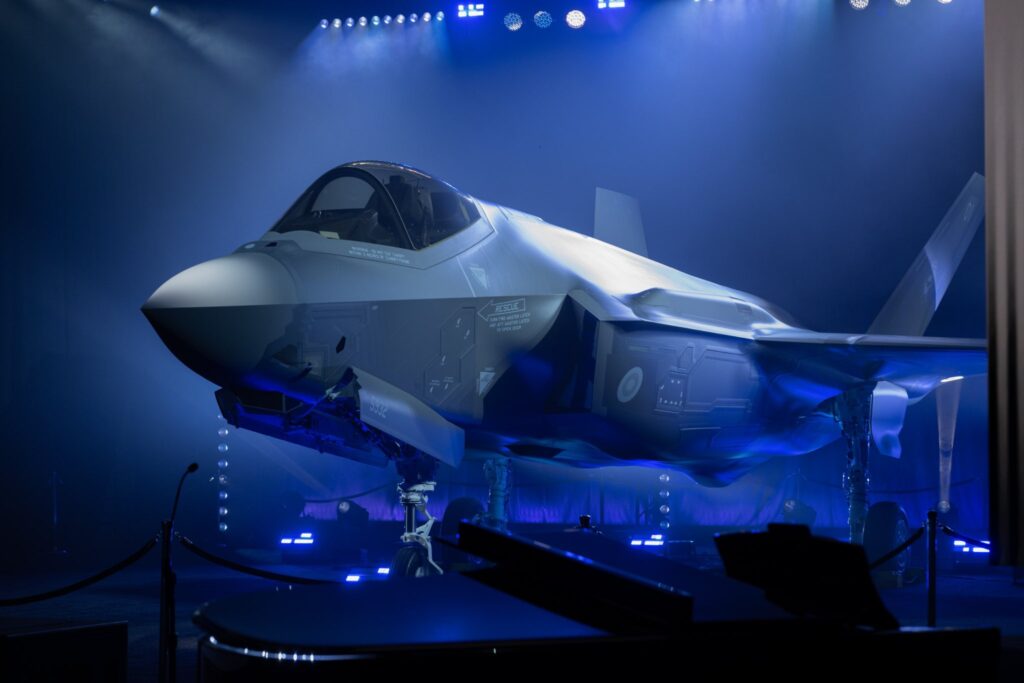

Switzerland has officially announced a reduction in its planned procurement of Lockheed Martin F-35A Lightning II fighter jets. The Swiss Federal Council confirmed the decision, citing projected cost increases from the United States that threaten to breach the voter-approved budget, forcing a difficult reassessment of the country’s largest-ever defense acquisition.
The move scales back the initial plan to acquire 36 aircraft, a decision made to avoid exceeding the strict financial ceiling of CHF 6 billion ($6.8 billion). This cap was narrowly approved by Swiss voters in a national referendum in 2020, making adherence to it a matter of significant political importance.
Budgetary Constraints Force a Reevaluation
The core of the issue lies in a fundamental disagreement over the nature of the procurement contract. Swiss authorities entered the agreement believing it was a fixed-price deal, insulating the purchase from inflation and other economic variables. However, the United States maintained that various factors could drive the final cost above initial estimates.
In a statement, the Swiss Federal Council clarified its position: “Due to foreseeable additional costs, it is not financially possible to retain the originally planned number of 36 F-35As.” This official communication underscores the government’s commitment to honoring the outcome of the 2020 referendum, where a slim 50.1% majority of voters authorized the expenditure.
By opting to reduce the number of jets rather than seek additional funding, the Swiss government avoids a politically contentious debate and a potential new referendum. The exact number of aircraft to be cut from the order has not yet been specified.
The Contentious History of the Air2030 Program
The selection of the F-35A in July 2021 was the culmination of the highly competitive Air2030 program, which aimed to replace the Swiss Air Force’s aging fleet of F/A-18C/D Hornets and the last remaining F-5 Tigers. The American-made fifth-generation fighter was chosen over several other formidable contenders, including:
- The Boeing F/A-18 Super Hornet
- The Dassault Rafale from France
- The multinational Eurofighter Typhoon
At the time, Swiss procurement agency Armasuisse argued that the F-35A offered the best combination of effectiveness and affordability, with the lowest overall costs for both acquisition and long-term operation. However, this cost-benefit analysis has been undermined by the emerging budget overruns.
A Backdrop of Political and Economic Pressure
The financial challenges of the F-35 deal have been amplified by wider tensions in Swiss-US relations. Earlier in 2025, the imposition of US tariffs on Swiss exports created a politically charged atmosphere, leading to increased scrutiny of the multi-billion-dollar defense purchase from a key trade partner.
Although the trade dispute was later de-escalated, it empowered critics of the F-35 program and fueled calls to reconsider Switzerland’s dependence on American defense technology. Opponents have seized on the cost increases as validation of their initial concerns, while supporters of the program warn that a significant reduction could compromise national security and leave the air force without a credible defense capability.
Future Fleet and Delivery Schedule
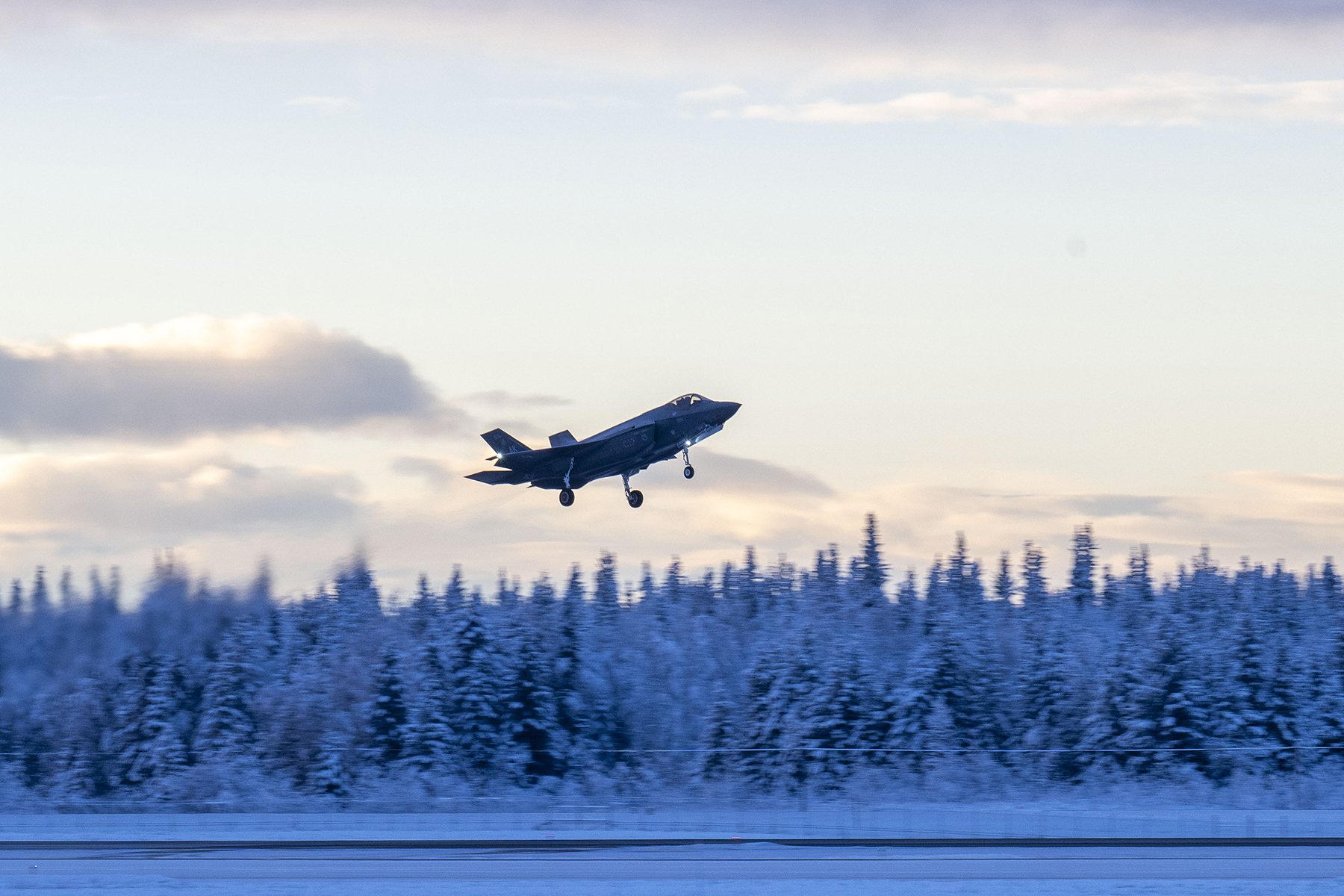
Despite the Switzerland F-35A order reduction, the government has affirmed that the core timeline for the aircraft’s introduction remains intact. Deliveries are still scheduled to commence in 2027 and run through 2030. The program is vital for ensuring Switzerland can maintain its air policing and national defense capabilities into the future.
The first batch of Swiss F-35As will be manufactured at Lockheed Martin’s main production facility in Fort Worth, Texas. Subsequent aircraft are slated for final assembly at the Cameri Final Assembly and Check-Out (FACO) line in Italy, a facility operated by Leonardo and also involved in producing F-35s for the Italian and Dutch air forces.
Uncertainty Over Final Fleet Size
While the reduction is confirmed, Swiss defense officials have not yet announced the final number of jets the country will acquire. The revised figure will depend on final cost calculations and negotiations with the United States. Officials have emphasized that the F-35A remains the cornerstone of Switzerland’s future air defense strategy, even with a smaller-than-planned fleet.
The government has also left open the possibility of reassessing its long-term fighter requirements in the future, contingent on the evolving geopolitical landscape in Europe. For now, the focus remains on delivering a capable, albeit smaller, F-35A fleet within the financial limits set by the Swiss people.