
The United States Air Force has announced the acquisition of two additional Boeing 747-8 aircraft, a strategic purchase valued at approximately $400 million. This decision aims to bolster the training and sustainment infrastructure for the forthcoming presidential airlift fleet, designated the VC-25B, which has encountered significant production delays.
In a statement released on December 16, 2025, the Air Force confirmed the acquisition is a direct measure to mitigate challenges associated with the delayed delivery of the next-generation Air Force One. These newly acquired jets will not be configured for presidential transport but will instead serve as crucial ground-based assets for training and testing.
Addressing Persistent Delays in the VC-25B Program
The initiative to replace the current presidential aircraft, two highly modified Boeing 747-200s known as VC-25As, has been underway since 2018. The existing fleet has been in service since the early 1990s, making its modernization a critical priority for the Pentagon.
New Livery 2018
However, the VC-25B program has been plagued by a series of setbacks. The original delivery schedule anticipated the first new aircraft arriving in 2024. This timeline has been repeatedly revised, with the Air Force now projecting the first delivery will not occur until mid-2028, with the second aircraft following at a later date. Officials have cautioned that further delays remain possible.
These postponements are attributed to a combination of factors, including persistent supply chain disruptions, skilled workforce constraints, and the immense technical complexity of the modifications required for the presidential mission.
The Intricacies of Presidential Aircraft Modification
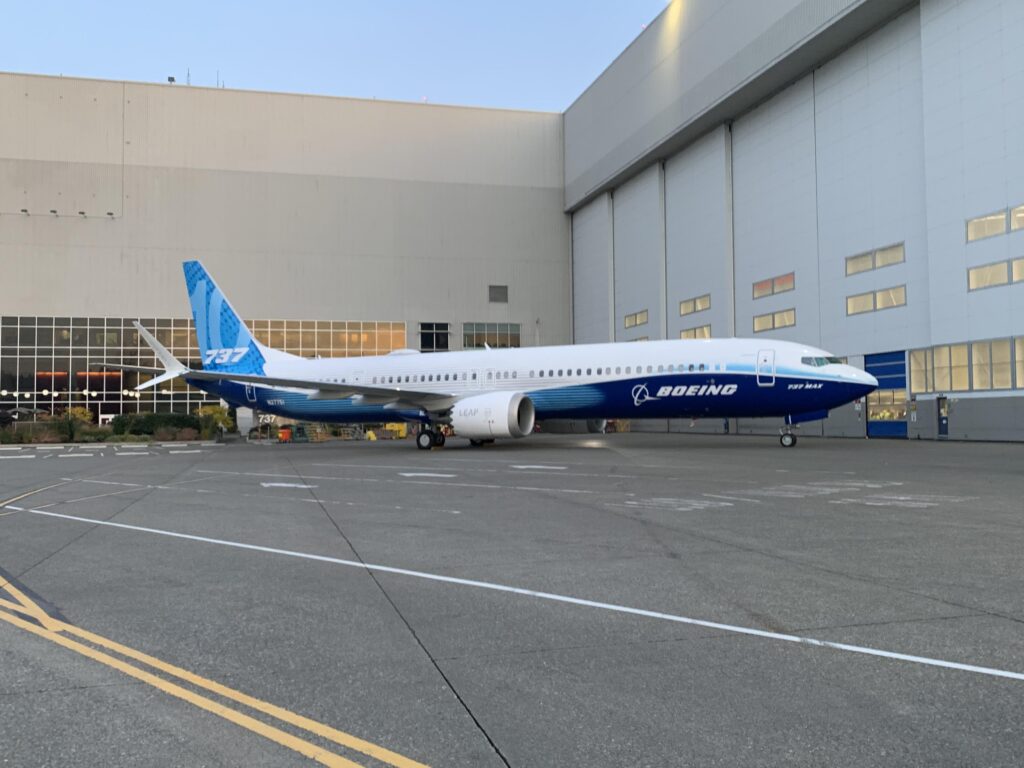
Transforming a commercial Boeing 747-8 into a VC-25B is a monumental undertaking. The aircraft must function as a mobile White House, equipped with sophisticated, hardened communications systems, advanced self-defense capabilities, and the infrastructure to operate as a secure airborne command center during national emergencies.
The intricate wiring and custom interior work have proven particularly challenging for Boeing, which is operating under a fixed-price contract. This arrangement has resulted in substantial financial losses for the aerospace giant, adding another layer of complexity to the program’s execution.
A Strategic Investment in Fleet Readiness
The two newly acquired 747-8s are intended to create a robust support system before the operational VC-25B aircraft even enter service. By establishing a dedicated training and sustainment program, the Air Force aims to ensure a seamless transition and maintain a high state of readiness.
These non-operational airframes will allow for:
- Aircrew Training: Pilots and flight crews can be trained on the specific systems and flight characteristics of the 747-8 platform without placing operational strain on the mission-ready VC-25B fleet.
- Maintenance Procedures: Ground crews and technicians can develop and validate complex maintenance, repair, and overhaul procedures on identical airframes.
- Sustainment Validation: The Air Force can test and refine long-term sustainment and logistics protocols, ensuring the presidential fleet remains available and reliable throughout its service life.
Source of the Aircraft and Broader Strategy
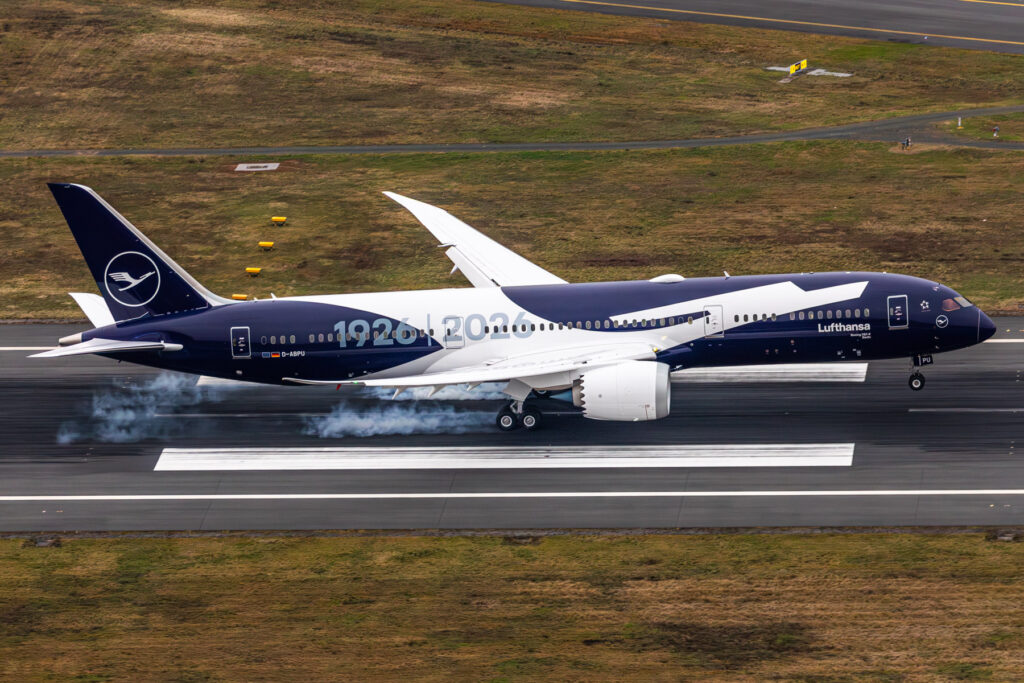
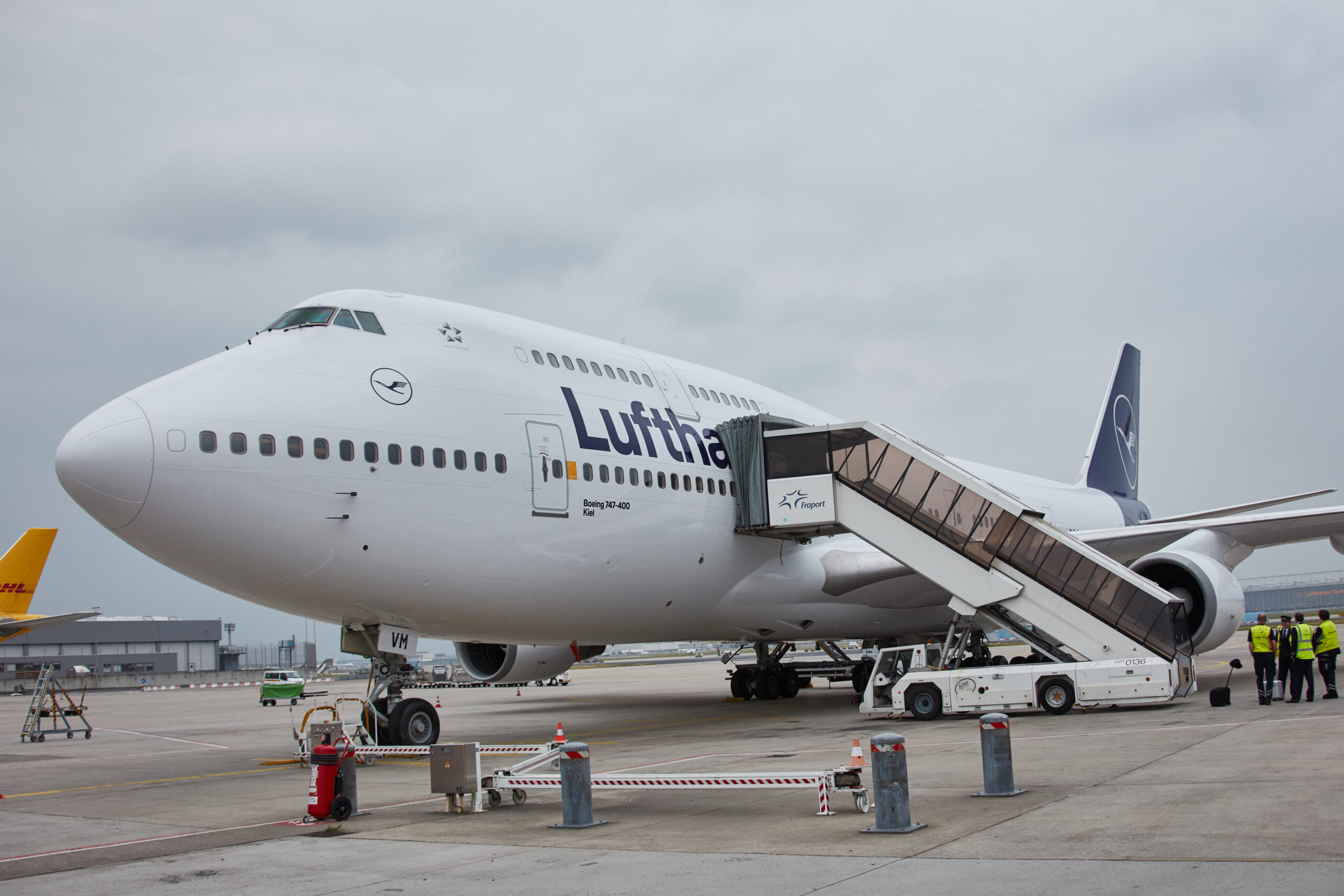
While the Air Force has not officially confirmed the origin of the two 747-8s, industry reports have suggested they may be acquired from the German airline Lufthansa, which operates a significant fleet of the jumbo jets. Neither the airline nor the Pentagon has commented on these speculations.
This purchase is consistent with other interim measures taken by the Department of Defense to manage the aging presidential fleet. Earlier in 2025, the Pentagon accepted a Boeing 747-8 formerly operated by the Qatari government. That aircraft is currently undergoing executive transport modifications by L3Harris Technologies to provide supplementary airlift capacity while the VC-25B program continues.
By investing in these additional airframes, the US Air Force is taking a pragmatic approach to de-risk the troubled VC-25B program. The move ensures that once the new Air Force One aircraft are finally delivered, the personnel and procedures required to support them will already be well-established, safeguarding the continuity of this critical national mission.