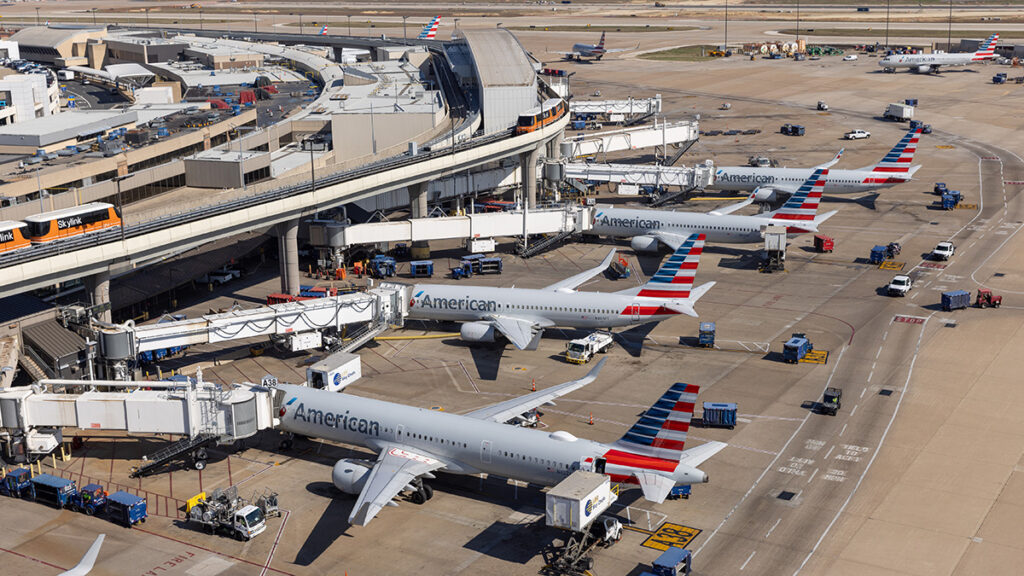

The operational future of the Boeing 717, a distinctive T-tail jetliner serving a niche but vital role in US aviation, is facing new uncertainty. The Federal Aviation Administration (FAA) has issued a new Airworthiness Directive (AD) mandating detailed inspections of a critical landing gear component, a move that will directly impact the world’s last two major operators: Delta Air Lines and Hawaiian Airlines.
This directive, prompted by a serious incident involving a gear-up landing, introduces new maintenance costs and operational complexities for an already aging fleet. As airlines weigh the economic equation, these mandatory inspections could accelerate the retirement schedule for this unique aircraft, a direct descendant of the iconic McDonnell Douglas DC-9.
The FAA Mandate: A Closer Look at the Airworthiness Directive
The new safety mandate addresses a potential vulnerability in the Boeing 717’s nose landing gear. The decision was not preemptive but a direct response to a significant safety event and subsequent investigation by the National Transportation Safety Board (NTSB).
Origin of the Directive: The Charlotte Incident
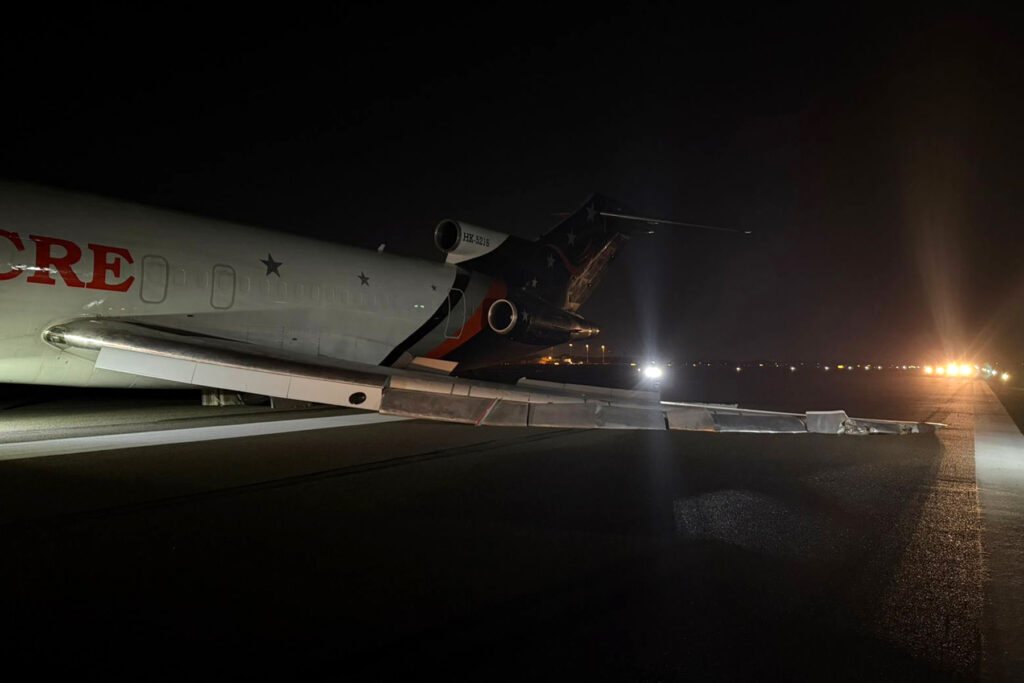
On June 28, 2023, a Delta Air Lines Boeing 717 (registration N955AT) experienced a critical failure on its approach to Charlotte Douglas International Airport (CLT). The pilots received an unsafe nose gear indication and, after troubleshooting failed to resolve the issue, were forced to execute a landing without the nose gear extended. The crew’s expert handling resulted in no injuries among the 104 people on board.
The NTSB’s final report identified the root cause: a fatigue fracture of the upper lock link in the nose landing gear assembly. Investigators determined that the crack initiated from microscopic tool marks left during the manufacturing or maintenance process, which grew over the aircraft’s 41,000 flight cycles until the component failed.
Inspection Requirements and Timeline
Effective from January 2, 2026, the FAA’s AD will require operators to perform repetitive, high-frequency eddy current inspections on the upper lock link assembly of all Boeing 717 aircraft. If cracks are detected, the component must be replaced. The agency stated the unsafe condition is “likely to already exist or develop on other aircraft of the same type and design,” making the fleet-wide inspection necessary to prevent future incidents.
Understanding the Technology: How Eddy Current Inspections Work
The inspection method mandated by the FAA, known as eddy current testing, is a highly effective form of non-destructive testing (NDT) common in the aerospace industry. It is used to detect tiny cracks and defects on or just below the surface of conductive materials like aluminum alloys used in aircraft structures.
The process involves passing an alternating electrical current through a copper coil inside a probe. This generates a magnetic field, which in turn creates small circular electrical currents—or “eddy currents”—in the part being tested. Flaws like fatigue cracks disrupt the flow of these currents, and the testing equipment registers these changes, allowing technicians to identify problems invisible to the naked eye.
Impact on the World’s Remaining Boeing 717 Fleets
With only a small number of Boeing 717s ever produced, the directive’s impact is concentrated on its few remaining operators. The recent retirement of the QantasLink 717 fleet in Australia leaves just two major airlines flying the type.
Delta Air Lines: The Largest Operator
Delta Air Lines is the world’s largest operator of the Boeing 717, with a fleet of approximately 90 aircraft. These jets are workhorses on short-haul domestic routes, primarily in the eastern US, operating from hubs like Atlanta (ATL) and Detroit (DTW). Due to the nature of these routes, the aircraft accumulate a high number of takeoffs and landings, known as flight cycles, which increases stress on structural components like landing gear.
Hawaiian Airlines: An Inter-Island Workhorse
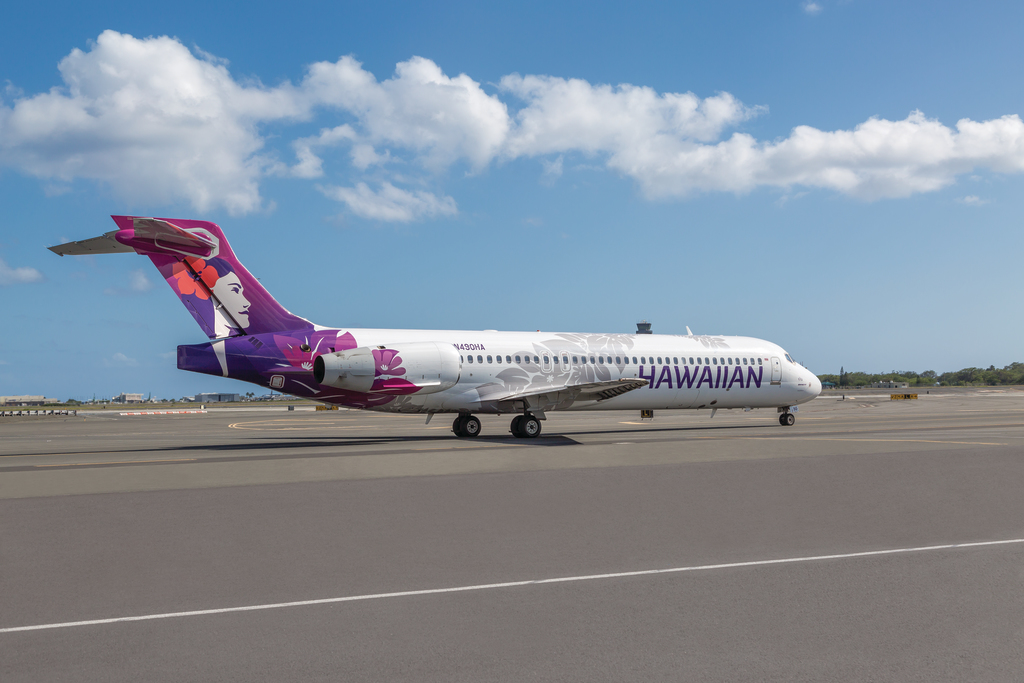
For Hawaiian Airlines, its fleet of approximately 19 Boeing 717s is the backbone of its inter-island service. These aircraft perform dozens of short, high-frequency flights daily, connecting the Hawaiian islands. The 717’s size and performance are perfectly suited for these missions, making it a critical asset. The new inspection requirements will place an operational strain on this highly utilized fleet.
An Aircraft at a Crossroads: The Economic Equation
The FAA directive forces a difficult cost-benefit analysis for both airlines. Maintaining an aging fleet is already expensive, and new, recurring inspection mandates can significantly alter the economic viability of an aircraft model.
Costs, Downtime, and an Aging Fleet
The FAA estimates that each inspection cycle could cost operators around $50,000, with an additional $20,000 for each part that requires replacement. While these figures are manageable, they add to the millions already spent annually on maintaining each aircraft. Furthermore, the downtime required to pull aircraft from service for these checks can disrupt schedules and reduce revenue, a key consideration for the high-utilization fleets at both Delta and Hawaiian.
A Legacy from McDonnell Douglas
The Boeing 717 has a unique history that sets it apart. The aircraft was originally developed as the McDonnell Douglas MD-95, the final evolution of the venerable DC-9 family. After Boeing merged with McDonnell Douglas in 1997, it continued the program and rebranded the jet as the Boeing 717.
However, facing stiff competition, Boeing ceased production in 2006 after building only 156 aircraft. This small production run makes the 717 a rare sight in the skies and complicates long-term parts and support logistics.
Conclusion: The End of an Era for the T-Tail Jet?
While the FAA’s Airworthiness Directive is a necessary step to ensure the structural integrity and safety of the Boeing 717, its long-term consequences are clear. For Delta and Hawaiian Airlines, the mandatory inspections add another layer of financial and logistical pressure to operating a vintage fleet.
Both airlines were already evaluating replacements, with the Airbus A220 and Embraer E2-series jets being likely candidates. This new, costly mandate may serve as the catalyst that accelerates those retirement plans, potentially marking the final chapter for one of aviation’s last classic T-tail jetliners.