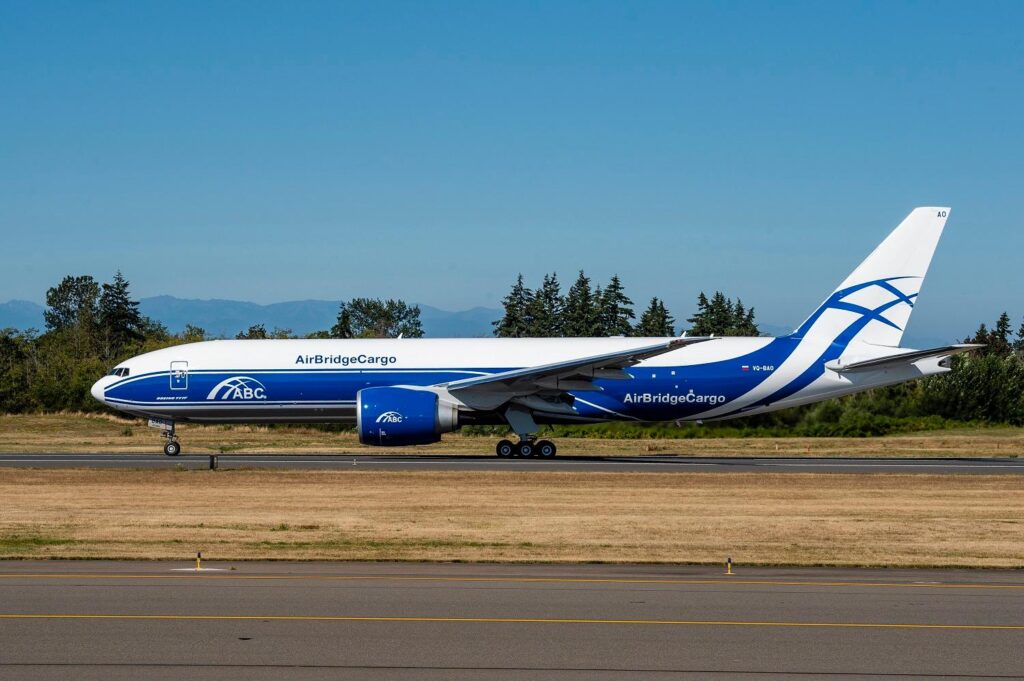

Boeing has officially petitioned the U.S. Federal Aviation Administration (FAA) for a crucial exemption from new environmental regulations set to take effect in 2028. The request aims to allow the continued sale of 35 new 777F freighter aircraft, a move the manufacturer deems essential to meet strong market demand amid delays in its next-generation cargo program.
The formal request underscores the complex balance between advancing environmental goals and meeting the logistical demands of the global economy. As new emissions standards draw closer, Boeing is working to bridge a potential production gap that could impact international trade and its own economic standing.
A Key Petition to Address a Looming Deadline
Filed with the FAA, Boeing’s petition seeks a timely approval before May 1, 2025. The request addresses new environmental rules finalized by the Biden administration in February 2024, which align U.S. aviation with international standards by setting stricter limits on greenhouse gas emissions for new aircraft.
These regulations, slated for implementation in 2028, will apply to most large aircraft manufactured after the deadline but will not affect aircraft already in service. Boeing argues that this creates a critical challenge, as its new, fully compliant freighter, the 777-8F, is not projected to be ready for delivery before the rules take effect.
Bridging the Production Gap with the 777F
The core of Boeing’s argument rests on the timeline for its next-generation freighter. The 777-8 Freighter program is experiencing delays, and the company anticipates its first delivery will occur approximately two years after the first delivery of the 777-9 passenger variant, which is now expected in 2025.
This timeline creates an operational void for air cargo operators who require new large-capacity freighters in the interim. Without an exemption, Boeing would be unable to produce and deliver new 777Fs after 2027, leaving a gap in the market that its successor is not yet ready to fill.
The 777F’s Role in the Global Air Cargo Market
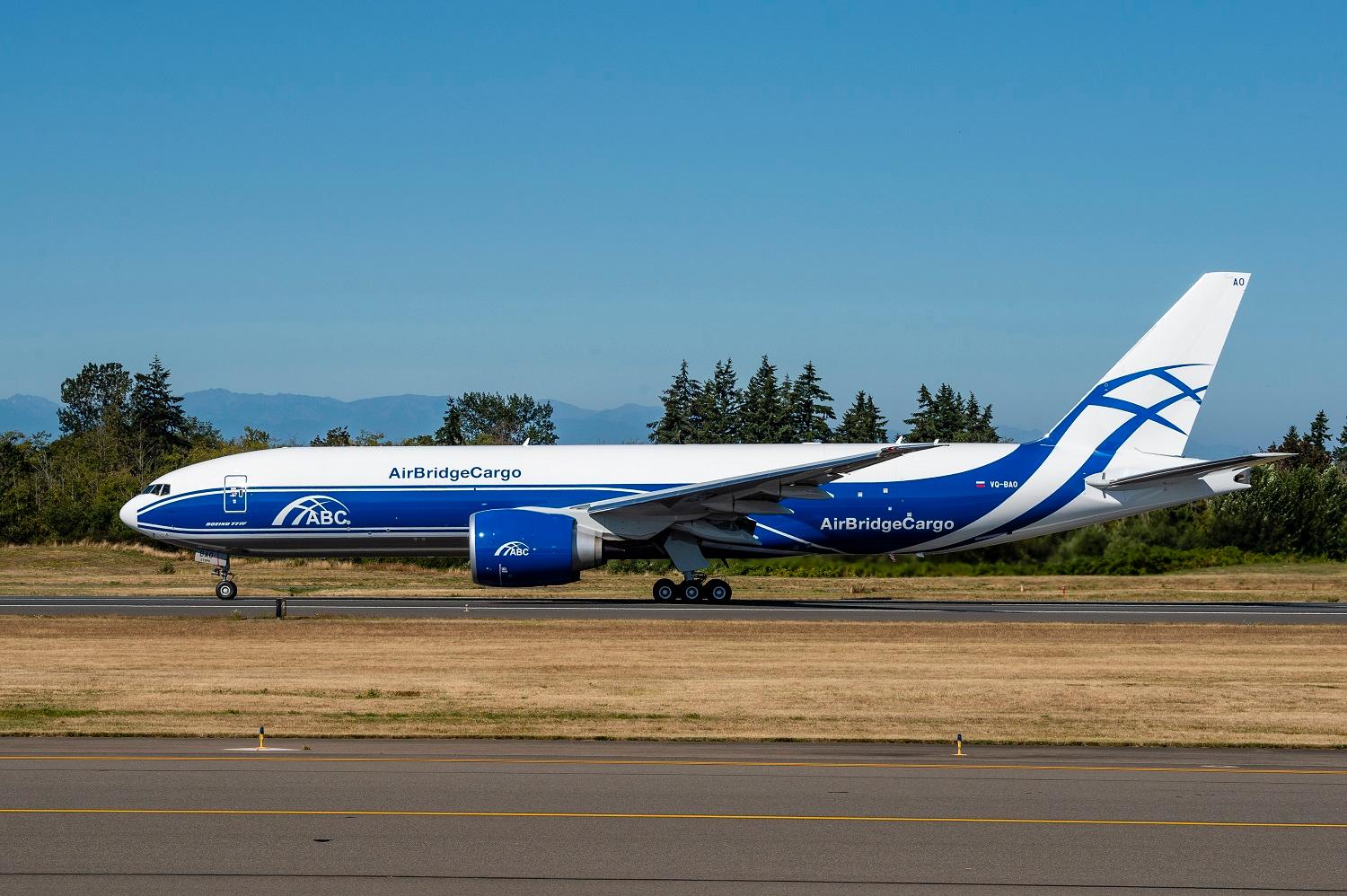
In its petition, Boeing emphasizes the 777F’s current position as the most fuel-efficient aircraft in its class and the only wide-body freighter currently in production. These attributes, the company states, make it an indispensable tool for global commerce and a vital component of the international supply chain.
Large freighters like the 777F are the backbone of high-value international trade. According to Boeing, of the $600 billion in goods exported by air from the United States in 2024, more than $260 billion were transported on such aircraft. The demand for this capacity remains robust, driven by e-commerce and specialized logistics.
Significant Economic and Trade Implications
The economic impact of the Boeing 777F emissions exemption is substantial. The manufacturer highlighted that each 777F sold to an international customer contributes approximately $440 million to the U.S. trade balance, based on list prices.
If the exemption is denied, Boeing estimates that the U.S. could lose over $15 billion in export value. This potential loss represents a significant blow to the nation’s aerospace industry and its positive trade balance in the sector. The decision by the FAA will therefore have consequences that ripple through the broader economy.
Regulatory Context and Climate Objectives
This request is not without precedent. The balancing act between regulatory enforcement and industrial reality has been seen before. The FAA’s decision will be made against a backdrop of ambitious national and international climate goals for the aviation sector.
Precedent for Flexibility: The Boeing 767
In a related development, the U.S. Congress passed legislation in the past year granting Boeing a five-year extension to continue manufacturing the 767 freighter. This exemption allows production of the aircraft until 2033, shielding it from the same FAA emissions standards that are set to begin in 2028. This move demonstrated a willingness to provide regulatory flexibility to avoid disrupting production and supply chains.
Aviation Emissions in Perspective
According to FAA data, civil aviation accounts for 9% of domestic transportation emissions and 2% of total carbon pollution in the United States. In response, the U.S. government has established a climate action plan with the goal of achieving net-zero greenhouse gas emissions from the aviation sector by 2050.
The FAA’s upcoming decision on the 777F will be a critical test of how regulators navigate the path toward these long-term environmental targets while addressing the immediate economic and operational needs of the global aviation industry. The outcome will set a significant precedent for the future of aircraft manufacturing in an era of increasing environmental scrutiny.