
The year 2025 has officially gone down as a landmark moment for aviation in the United States. According to official data from the FAA, air traffic across the country reached its highest level in more than 15 years, confirming a full and sustained recovery of the aviation sector after the pandemic.
The figures reflect not only a surge in passenger numbers, but also a sharp increase in total flight operations, placing renewed pressure on airports, airlines and air traffic control across the world’s largest aviation market.
The numbers behind a historic year for US aviation
FAA data shows that total air traffic operations in 2025 exceeded any annual volume recorded since the late 2000s. This includes commercial passenger flights, regional services, cargo operations and general aviation movements across the national airspace system.

Domestic travel was the main driver of growth, fueled by strong demand for leisure and business travel within the United States. International traffic also continued its recovery, clearly surpassing the levels seen in 2022 and 2023 and approaching, or in some cases exceeding, pre-pandemic benchmarks.
The FAA highlighted that on several peak travel days throughout the year, air traffic volumes matched or even rivaled historic highs last seen before the global financial crisis of 2008.
Key factors driving the surge in air traffic
The record-breaking traffic levels in 2025 are the result of multiple converging factors. A relatively stable economic environment and resilient consumer spending significantly boosted leisure travel, particularly during holiday periods and long weekends.
At the same time, US airlines continued restoring and expanding capacity, adding new aircraft and reopening routes that had been suspended during the pandemic years. The introduction of more fuel-efficient aircraft allowed carriers to increase frequencies without a proportional rise in operating costs.
Changes in travel behavior also played a role. The widespread adoption of hybrid and flexible working models led to more evenly distributed travel demand throughout the year, reducing extreme seasonality and raising overall traffic volumes.
Pressure on airports and air traffic control
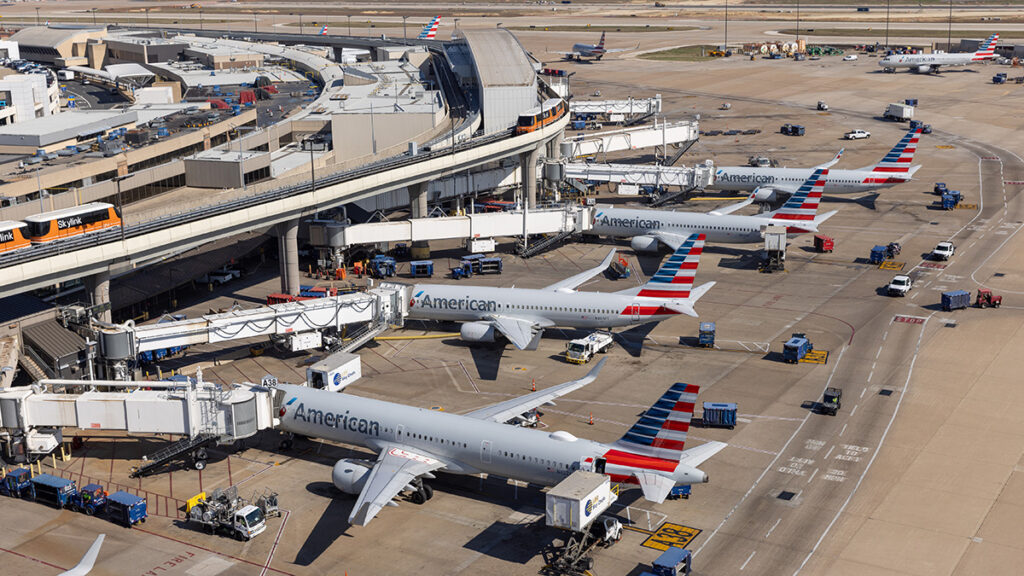
The surge in traffic brought significant operational challenges. Major hubs such as Atlanta, Dallas-Fort Worth, Los Angeles and Chicago frequently operated near or at capacity, particularly during the summer peak and end-of-year holiday season.
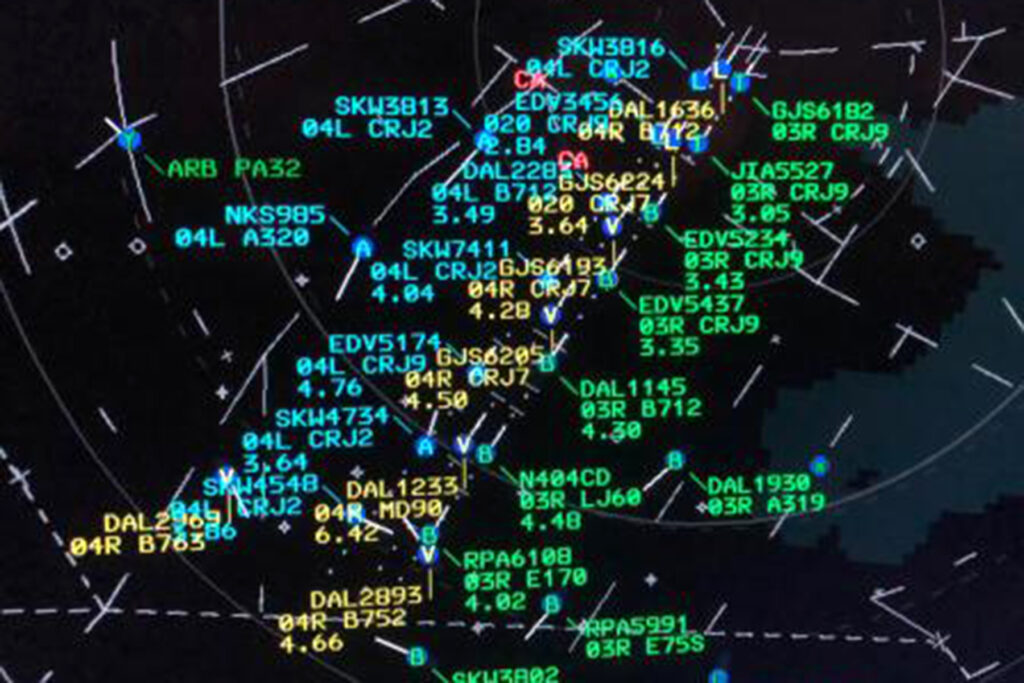
For air traffic control, the increase in flight movements added further strain to a system already facing staffing shortages and aging infrastructure. The FAA acknowledged that maintaining safety and efficiency under these conditions required tight operational management and frequent flow-control measures.
As a result, delays, congestion and temporary capacity restrictions became more common in certain regions, reigniting debate over the urgent need to modernize the US air traffic management system.
A turning point for US aviation after the pandemic
Beyond the record itself, 2025 represents a symbolic turning point for aviation in the United States. Surpassing traffic levels from more than 15 years ago demonstrates that the industry has not only recovered, but entered a new phase of sustained growth.
For airlines, this environment presents both opportunities and risks. Strong demand supports revenues, but also requires precise planning to avoid operational disruptions and service quality issues.
For the FAA, the challenge is even greater. Ensuring that the world’s most complex airspace system remains safe and efficient amid continued growth will require significant investment in technology, controller training and airport infrastructure.
If current trends continue, the traffic levels seen in 2025 may not represent a peak, but rather the beginning of a new era of record-setting air travel in the United States. An era that will test the limits of the system while reaffirming the central role of aviation in American mobility.