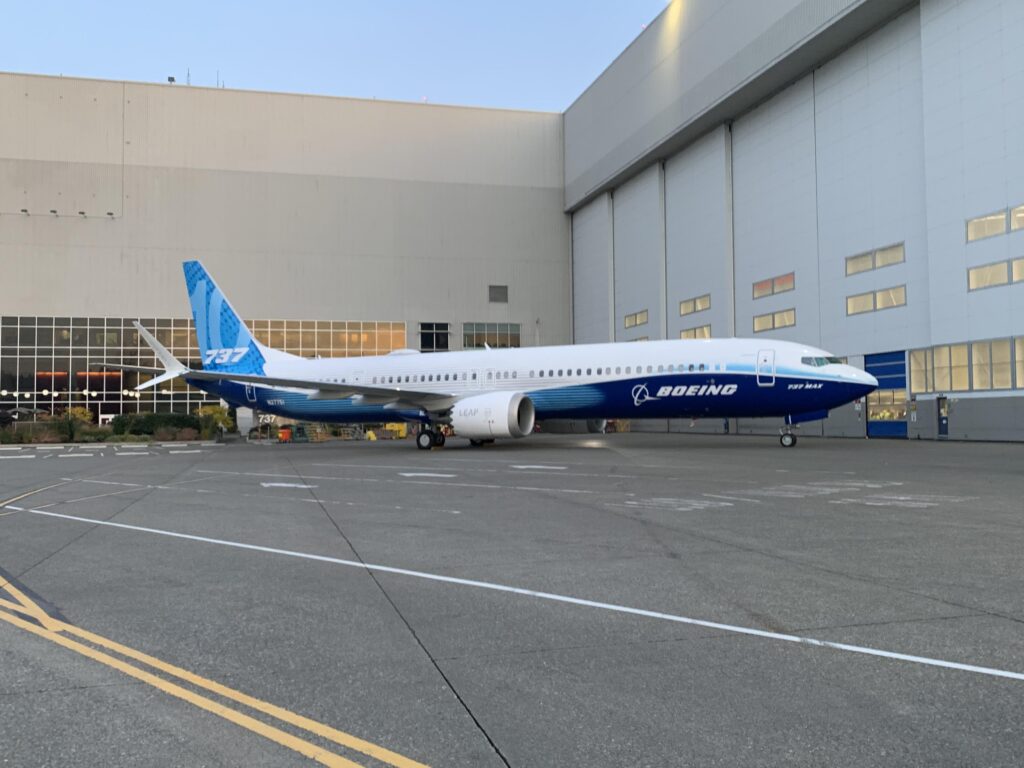
The U.S. Federal Aviation Administration (FAA) has launched a new formal evaluation of Boeing’s updated cockpit alerting system for the Boeing 737 MAX 10, adding yet another layer of uncertainty to the certification timeline of the largest MAX variant. The move raises fresh concerns that the type’s long-awaited entry into commercial service could slip even further.
The review focuses on Boeing’s redesigned alerting and enhanced angle-of-attack functions, changes that are directly linked to safety reforms introduced after the two fatal 737 MAX accidents in Indonesia and Ethiopia. Until the FAA is satisfied that the new system meets all regulatory and legislative requirements, the 737 MAX 10 will not be cleared to carry passengers.
Why the alerting system is critical for the 737 MAX 10
At the heart of this latest hurdle is the MAX 10’s cockpit alerting and warning logic. Boeing has proposed a suite of modifications that include an enhanced synthetic angle-of-attack feature and changes to stall and overspeed alerts. The objective is to give pilots clearer, more intuitive information in abnormal situations and reduce the chance of confusion when multiple warnings appear at once.
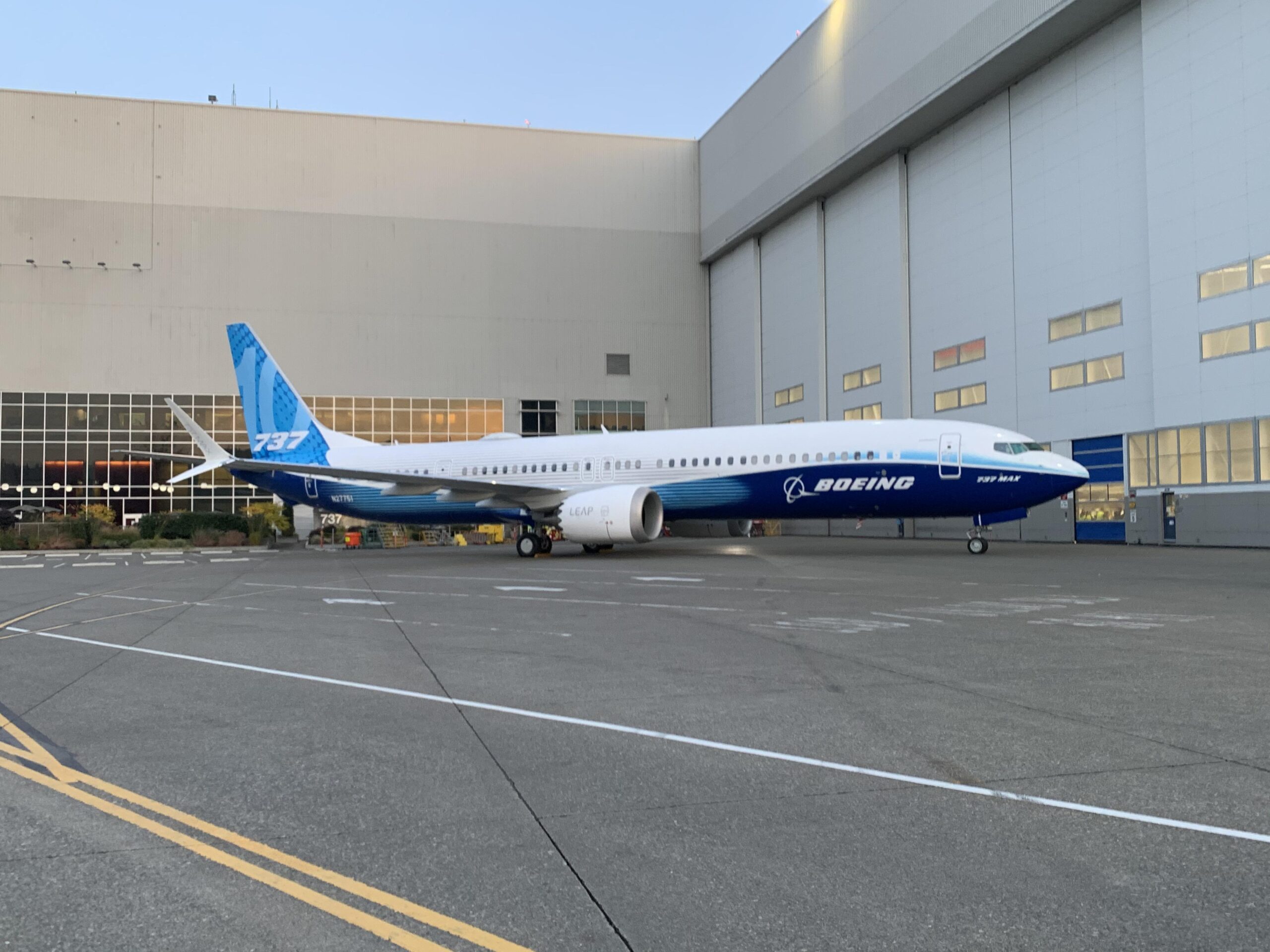
These upgrades are not optional refinements; they are tied to post-crash safety legislation passed by the U.S. Congress, which specifically targeted flight deck alerting and crew information systems on future 737 MAX variants. Regulators want to see a demonstrable improvement in how the airplane prioritizes and displays critical data to pilots before they sign off on the design.
For Boeing, this means that the MAX 10’s alerting system has to do more than simply comply with technical standards. It also has to convince regulators, lawmakers and airlines that the lessons from the MAX crisis have been fully internalized and reflected in the cockpit.
New review, familiar theme: more delays for MAX 10 certification
The 737 MAX 10 has been in the certification pipeline for years and has already missed several target dates. Earlier hurdles included design work related to an engine anti-ice issue that also affected the smaller 737 MAX 7. Each additional requirement has forced Boeing to adjust its schedule, rework documentation and re-engage with regulators on technical details.
With the FAA now launching a fresh, formal review of the alerting system, there is no firm public timeline for when the certification process will be completed. The agency has repeatedly emphasized that it will not be driven by calendar pressure and will only approve the airplane once all safety and design criteria are met.
For airlines, this uncertainty is more than a paperwork issue. Customers that placed large orders for the MAX 10 — including carriers that planned to use the aircraft as their primary high-capacity narrowbody — have already pushed back their expectations. Some executives have spoken openly about not expecting the MAX 10 in their fleets until the second half of the decade, and they are actively adjusting capacity plans and network strategies around that assumption.
Heightened regulatory scrutiny in the post-MAX era
The FAA’s cautious approach is shaped by the wider context of Boeing’s recent history. After the 2018 and 2019 MAX accidents and the subsequent 20-month global grounding, the regulator overhauled its internal processes, reduced Boeing’s ability to self-certify key items and signaled that future variants would be subject to a much deeper level of scrutiny.
Additional quality and safety concerns have emerged in recent years, including structural and production issues on other MAX models. These incidents have reinforced the FAA’s resolve to inspect not only the MAX 10’s design details but also the broader ecosystem in which the aircraft will be produced and supported.
As a result, the alerting system review is not just a narrow technical checkpoint; it forms part of a wider effort to ensure that systemic problems do not slip through the cracks. For Boeing, that means proving that its engineering decisions, documentation and internal oversight all line up with the new safety expectations.
What’s at stake for Boeing and its airline customers
The Boeing 737 MAX 10 is central to the manufacturer’s strategy in the single-aisle market. With more seats and longer range than earlier MAX variants, it is intended to compete head-to-head with the Airbus A321neo, which has seen booming demand worldwide. Every delay in MAX 10 certification makes it harder for Boeing to narrow that competitive gap.
For airlines, the MAX 10 promises a combination of seat count and operating economics that is attractive on dense medium-haul routes. Delays force carriers to either extend the life of older aircraft, rely more heavily on smaller MAX variants, or in some cases look again at Airbus options. Fleet planning, training schedules and maintenance strategies all become more complicated when key deliveries are uncertain.
Even so, most customers acknowledge that regulators’ insistence on a thorough review is necessary. After the events surrounding the MAX grounding, neither airlines nor passengers are likely to accept any perception of shortcuts in the certification of a new variant.
Conclusion: a crucial test for the MAX family’s flagship
The FAA’s new review of the 737 MAX 10 alerting system underlines how closely regulators are watching Boeing’s next major certification milestone. The aircraft remains a cornerstone of Boeing’s future single-aisle portfolio, but its entry into service is now tied to demonstrating that cockpit alerting and safety architecture have evolved meaningfully beyond the pre-crisis MAX design.
Until the FAA completes its analysis and gives a final verdict, the certification timeline for the Boeing 737 MAX 10 will remain fluid. What is clear is that this process has become far more than a routine regulatory step: it is a test of Boeing’s ability to rebuild confidence in its engineering, its oversight and, ultimately, in the MAX family itself.