
The U.S. Federal Aviation Administration (FAA) is launching a significant financial initiative to overhaul critical components of the nation’s air traffic control (ATC) system. This investment aims to resolve long-standing technological deficits and fast-track a modernization process that has been hampered by delays, operational failures, and increasing scrutiny from both Congress and the aviation industry.
Faced with an aging infrastructure, the agency is prioritizing the upgrade of essential radar and telecommunications systems to enhance the safety, efficiency, and reliability of the National Airspace System (NAS). This move signals a renewed commitment to addressing the technological challenges that have impacted air travel in recent years.
An Accelerated Push for Modernization
The FAA is directing substantial resources toward reinforcing its core infrastructure. A key part of this strategy involves a multi-billion dollar investment to deploy new telecommunications and surveillance technology by 2028, a significantly more aggressive timeline than previously envisioned. Original plans had projected a modernization period stretching over 15 years.
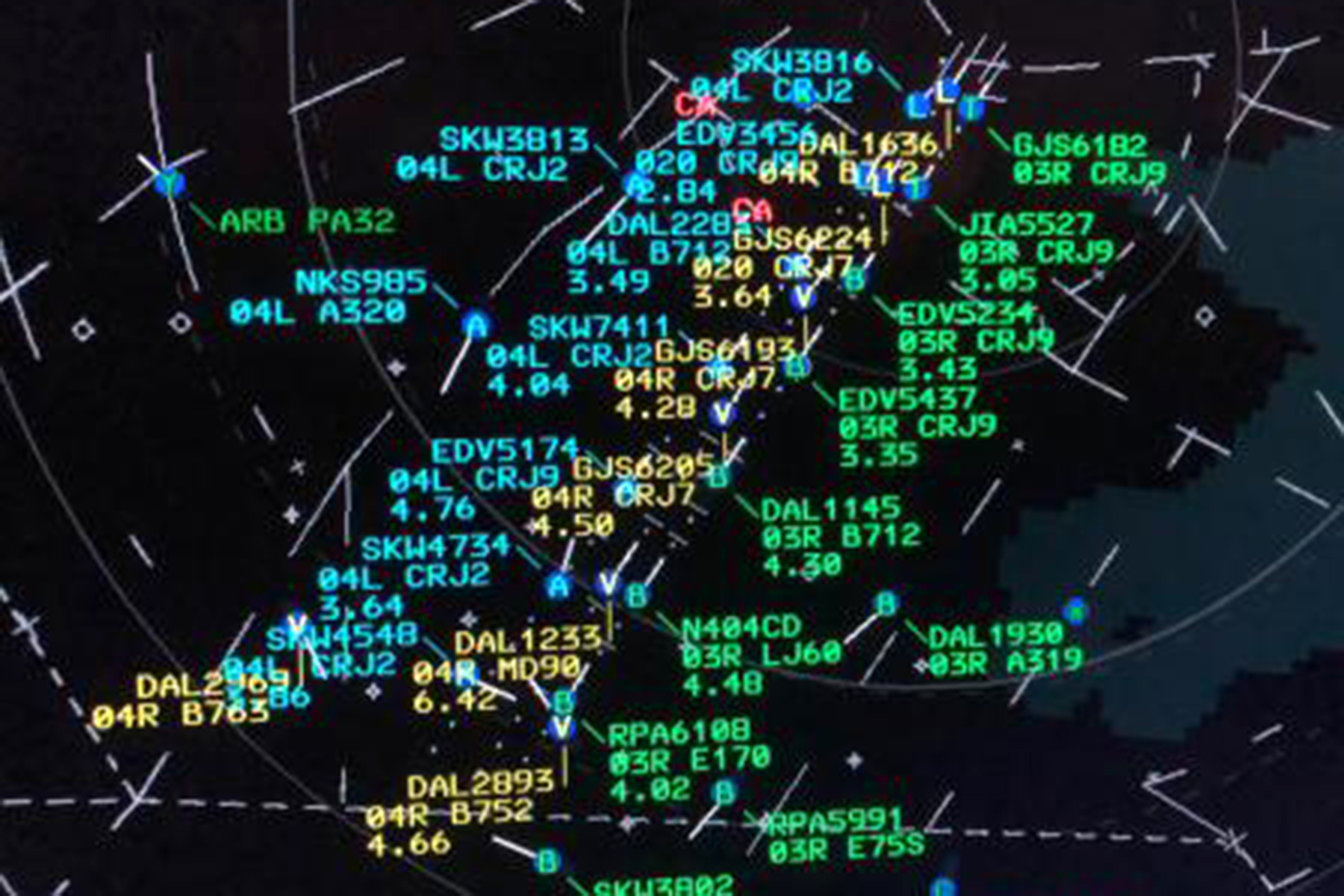
This accelerated, three-year focus is designed to produce tangible improvements quickly. According to FAA officials, a critical aspect of this effort is the transition from outdated copper wiring to modern fiber-optic networks. This upgrade is crucial for improving the system’s data-handling capacity and overall resilience. More than a third of this transition has already been completed.
The initiative is part of a broader financial strategy to bring U.S. aviation infrastructure into the 21st century. It complements funds already allocated by Congress, including a significant portion from the Bipartisan Infrastructure Law, which provides $25 billion for aviation, including $5 billion for ATC facility upgrades.
Systemic Failures Underscore Urgency
The push for modernization has been intensified by a series of high-profile system failures that exposed the fragility of the current ATC infrastructure. Technological limitations have led to serious incidents, including major disruptions that have grounded flights nationwide and caused cascading delays.
A stark example was the January 2023 failure of the Notice to Air Missions (NOTAM) system, which halted all domestic departures for several hours. This event highlighted the potential for a single point of failure to have a catastrophic impact on the entire air travel network, intensifying pressure on the FAA to act decisively.
Official reports have consistently warned of the system’s vulnerabilities. A 2023 assessment concluded that the FAA’s communications system has been outdated for years, with spare parts for many platforms no longer available. In a separate report, 51 of the 138 telecommunications systems used for air traffic control were classified as “unsustainable,” underscoring the critical need for immediate action.
Peraton Selected to Lead Key Technological Overhaul
To execute this complex technological transition, the FAA has enlisted the expertise of Peraton, a national security and technology company. Peraton was awarded the FAA Enterprise Network Services (FENS) contract to modernize the agency’s communications infrastructure.
The FENS program is central to the FAA’s strategy. Its primary objectives include:
- Transition to Fiber Optics: Moving mission-critical operations from legacy copper-based telecommunications circuits to a modern, IP-based fiber network.
- Enhanced Security: Implementing robust cybersecurity measures to protect the integrity of the National Airspace System.
- Increased Reliability: Building a resilient network capable of supporting current and future ATC technologies with minimal downtime.
Peraton will be responsible for creating a new digital command center and managing the final transition to fiber, which will provide the speed and reliability necessary for next-generation air traffic management tools.
Building on the Lessons of the NextGen Program
This new wave of investment builds upon the foundation—and lessons learned—from the FAA’s long-running Next Generation Air Transportation System (NextGen) program. Initiated over two decades ago with a budget exceeding $15 billion, NextGen aimed to shift from ground-based radar to satellite-based surveillance (ADS-B) and implement other advanced technologies.
However, the program has faced persistent criticism for its slow progress. Reports from the Government Accountability Office (GAO) and the Department of Transportation’s Inspector General have cited numerous delays, cost overruns, and challenges in delivering the full scope of its initially promised benefits.
While NextGen has successfully introduced key advancements, the current investment surge represents a more targeted and urgent effort to fix the foundational infrastructure upon which all future technologies depend. This new, focused approach on core systems like communications and radar is seen as essential for unlocking the full potential of NextGen and future innovations.
With this significant injection of capital and an aggressive implementation schedule, the FAA is poised to finally move beyond decades of technological constraints. The goal is to build a resilient, modern, and scalable air traffic control infrastructure capable of meeting the demands of contemporary aviation and ensuring the safety and efficiency of the skies for years to come.