
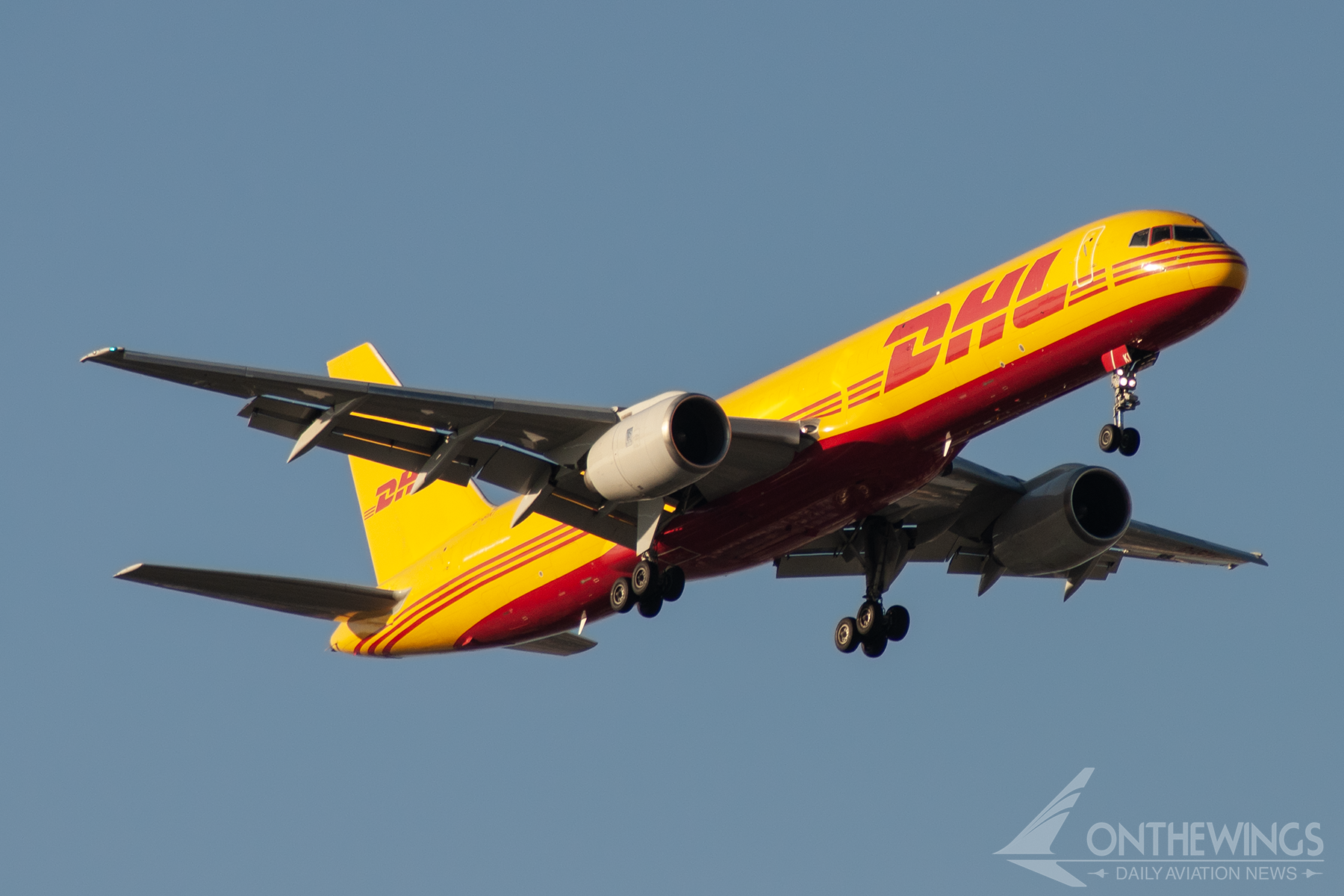
In a landmark move for the U.S. air cargo industry, DHL Express and Phillips 66 have announced a three-year strategic agreement for the supply of Sustainable Aviation Fuel (SAF). This partnership is set to significantly reduce greenhouse gas emissions and marks one of the most substantial SAF agreements between a U.S. producer and an express logistics carrier.
The deal secures the delivery of more than 240,000 metric tons (approximately 83 million gallons) of SAF over the three-year term. According to the companies, this volume of renewable fuel will result in the avoidance of over 737,000 metric tons of lifecycle carbon dioxide equivalent (CO2e) emissions, a figure comparable to the emissions generated by nearly 170,000 passenger vehicles in a single year.
A Milestone for Sustainable Logistics and Aviation
This collaboration underscores a growing commitment across industries to address the environmental impact of aviation. For DHL Express, the agreement is a critical component of its ambitious goal to achieve net-zero emissions by 2050. Phillips 66, a major diversified energy company, solidifies its position as a key producer in the burgeoning renewable fuels market.
In a statement, Travis Cobb, EVP of Global Operations and Aviation at DHL Express, highlighted the agreement’s importance. “The agreement with Phillips 66 is a significant milestone for DHL Express on our journey to achieving our sustainability goals,” he said. “By securing a reliable supply of SAF, we are reducing our carbon emissions—and those of our customers’ supply chains—and setting a precedent for the logistics and air cargo sector in the United States as a whole.”
Representing Phillips 66, Brian Mandell, EVP of Marketing and Commercial, added, “This agreement between Phillips 66 and DHL reaffirms the commitment of both companies to leadership and credibility in the growing SAF market. Our agreement with DHL is an example of cross-sectoral collaboration, and together we are seeking to drive progress toward the adoption of sustainable solutions in the aviation sector.”
Strategic Supply from a World-Class Facility
The Rodeo Renewable Energy Complex
The Sustainable Aviation Fuel will be produced at the Phillips 66 Rodeo Renewable Energy Complex in Rodeo, California. Following its conversion, this facility is one of the largest renewable fuels plants in the world. It utilizes a variety of renewable feedstocks, such as used cooking oil, fats, greases, and vegetable oils, to produce lower-carbon transportation fuels.
The SAF produced here functions as a “drop-in” fuel, meaning it is chemically identical to conventional jet fuel and can be used in existing aircraft engines and airport infrastructure without any modification. This compatibility is crucial for the seamless integration of SAF into global aviation operations.
Distribution and the “Book and Claim” System
Most of the SAF supply will be directed to DHL’s major gateway at Los Angeles International Airport (LAX), with future deliveries planned for other key West Coast hubs, including San Francisco International Airport (SFO).
To manage the carbon accounting efficiently, the partnership will utilize a “book and claim” chain-of-custody model. This system works as follows:
- Booking: DHL purchases a specific quantity of SAF and its associated environmental benefits from Phillips 66.
- Physical Delivery: The physical SAF is delivered to the Rodeo refinery’s nearest aviation infrastructure (like LAX), where it is mixed with conventional jet fuel and used by various aircraft. This avoids the unnecessary cost and emissions of transporting the SAF to distant locations.
- Claiming: DHL “claims” the certified greenhouse gas reduction credits from the SAF it purchased. These credits are then used to reduce DHL’s overall carbon footprint and are passed on to its customers.
This model is a globally recognized practice that accelerates the use of SAF by supplying it where it is produced, while allowing companies anywhere in the world to invest in decarbonization and claim the benefits.
Driving Decarbonization Across the Value Chain
Supporting DHL’s GoGreen Plus Service
This agreement directly supports the DHL GoGreen Plus service, an initiative that allows customers to reduce the Scope 3 emissions associated with their shipments. Scope 3 emissions are indirect emissions that occur in a company’s value chain, including transportation and logistics.
By investing in SAF, DHL enables its customers to purchase GoGreen Plus services, effectively lowering the carbon footprint of their air freight and contributing to their own sustainability targets. This creates a powerful ripple effect, driving demand for cleaner logistics solutions across the market.
The Broader Industry Context
The aviation industry, responsible for approximately 2-3% of global CO2 emissions, faces a significant challenge in decarbonizing its operations. International bodies like the International Air Transport Association (IATA) have identified Sustainable Aviation Fuel as the most critical tool for achieving the industry’s goal of net-zero carbon emissions by 2050. SAF has the potential to reduce lifecycle emissions by up to 80% compared to conventional jet fuel.
The DHL Express and Phillips 66 partnership is a tangible example of the cross-industry collaboration required to scale SAF production and availability, making it a cornerstone of a more sustainable future for global aviation and logistics.