
The U.S. Department of Homeland Security (DHS) is set to acquire six Boeing 737 aircraft, signaling a major strategic shift in how its Immigration and Customs Enforcement (ICE) division conducts deportation flights. The acquisition marks a transition from a long-standing reliance on charter services to a model of direct government ownership and control over its aviation fleet.
Valued at nearly $140 million, the contract was awarded to Daedalus Aviation, a company based in Virginia. This move is positioned by DHS as a critical step toward enhancing the efficiency, flexibility, and cost-effectiveness of ICE Air Operations, the division responsible for coordinating the removal of individuals without legal authorization to reside in the United States.
A Strategic Shift from Charter Flights to Direct Ownership
For years, ICE Air Operations has depended on a charter-based model, contracting with private airlines to provide aircraft, flight crews, and maintenance services. While this approach offered a degree of operational flexibility, it exposed the agency to the volatile and often high costs of the charter market, which have reportedly increased in recent years.
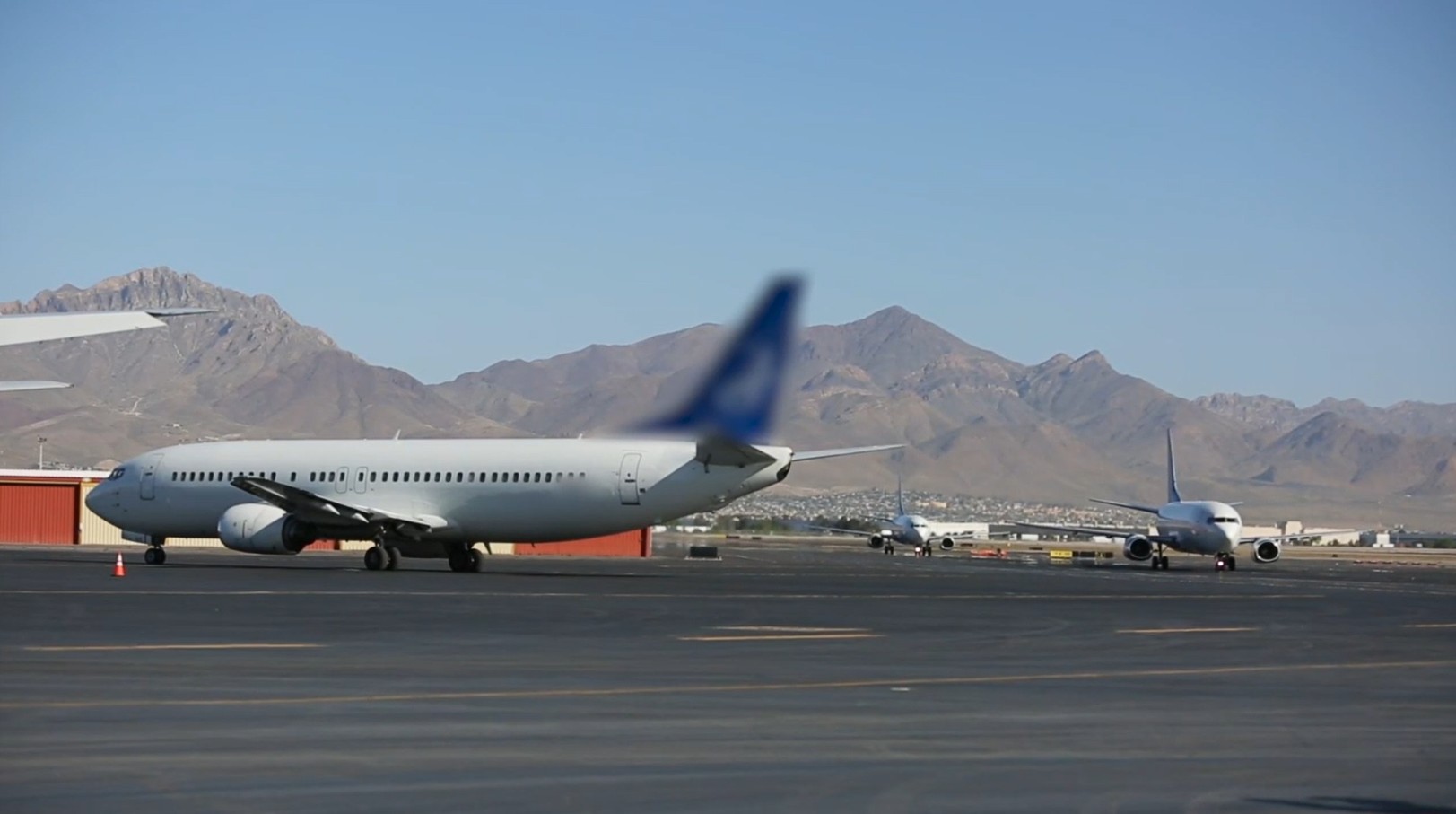
By purchasing its own fleet of Boeing 737s, DHS aims to gain direct command over flight scheduling and operational tempo. This allows the agency to better align aircraft availability with its mission requirements, reducing dependency on third-party vendors and potentially insulating it from market price fluctuations.
Economic and Operational Motivations
According to DHS officials, the transition to a government-owned fleet is projected to yield significant long-term savings. DHS spokeswoman Tricia McLaughlin stated that the acquisition is estimated to save approximately $279 million over the operational lifespan of the aircraft. These savings are expected to come from more efficient flight management and the elimination of charter premiums.
The decision aligns with the broader objectives of the Trump administration, which has set a goal of deporting one million immigrants in 2025. DHS Secretary Kristi Noem has framed the aircraft purchase as part of a larger strategy to “reduce bottlenecks in the removal pipeline” and enhance the overall efficiency of immigration enforcement operations.
The Aircraft: Used Boeing 737 Next-Generation Jets
While official records have not specified the exact variants being procured, the total purchase price of nearly $140 million—averaging around $23.3 million per aircraft—strongly indicates that the fleet will consist of used Boeing 737 Next-Generation (NG) models, such as the 737-700 or 737-800 series. A new Boeing 737 typically carries a list price well over $100 million.
These aircraft are expected to undergo significant modifications to suit the unique requirements of ICE missions. Standard configurations for secure transport generally include:
- Partitioned seating areas to manage different groups of passengers.
- Enhanced surveillance and monitoring equipment.
- Specialized restraints and other security features.
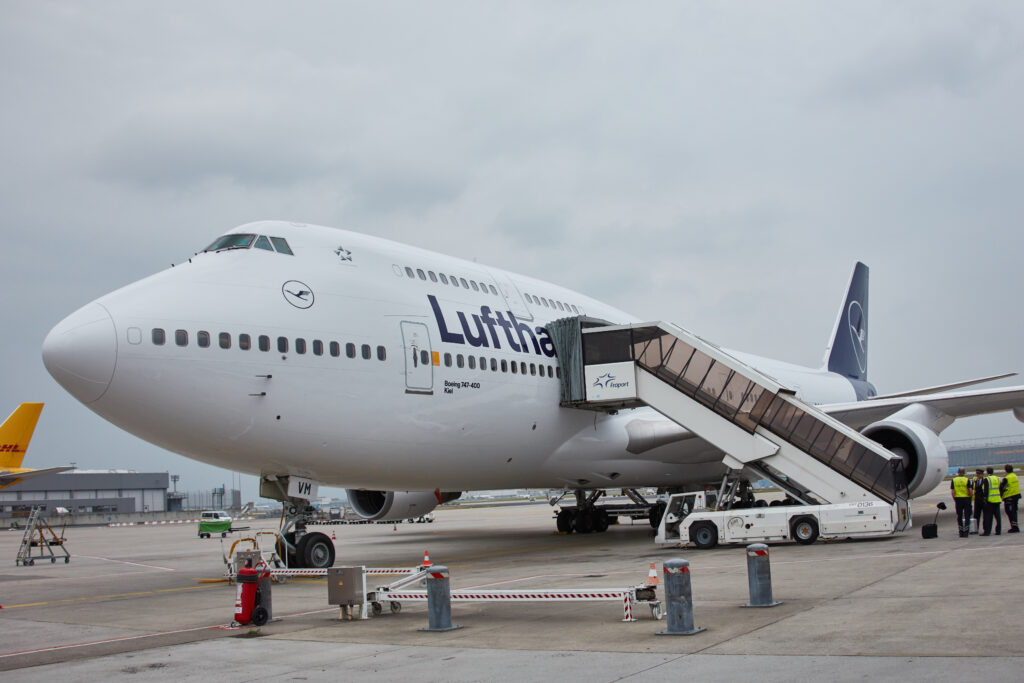
The Boeing 737 is one of the most widely operated commercial aircraft in the world, a factor that likely contributed to its selection. The global prevalence of the 737 ensures a robust supply chain for spare parts and a large pool of experienced pilots and maintenance technicians, simplifying long-term logistical support for the fleet.
Contractor Scrutiny and Congressional Oversight
The contract awarded to Daedalus Aviation has already drawn attention from some U.S. lawmakers. Public records show that the Chief Executive Officer and Chief Financial Officer of Daedalus Aviation hold the same executive positions at another government contractor, Salus Worldwide Solutions.
Salus Worldwide Solutions holds a separate, high-value DHS contract worth nearly $1 billion for managing voluntary “self-deportation” programs. This overlap in leadership between two companies with significant DHS contracts has raised questions, and some members of Congress have indicated their intent to review the procurement process and the relationship between the two firms.
Future Implementation and Unanswered Questions
Several key details about the new ICE aviation fleet remain undisclosed. The Department of Homeland Security has not yet announced where the six Boeing 737s will be based. Currently, ICE Air Operations runs its primary missions from hubs located in Arizona, Texas, and Louisiana.
Furthermore, it is unclear whether DHS will hire and train its own pilots and maintenance crews or continue to rely on contractors for flight operations. The successful implementation of this new strategy will depend heavily on resolving these logistical and staffing challenges as the aircraft are sourced, modified, and delivered by Daedalus Aviation.