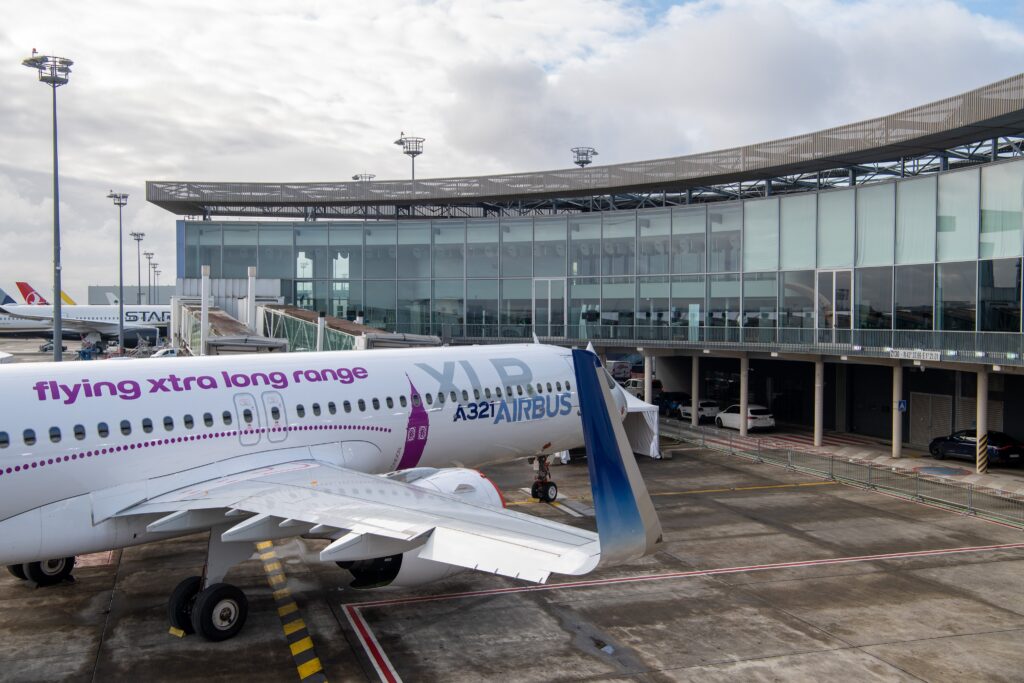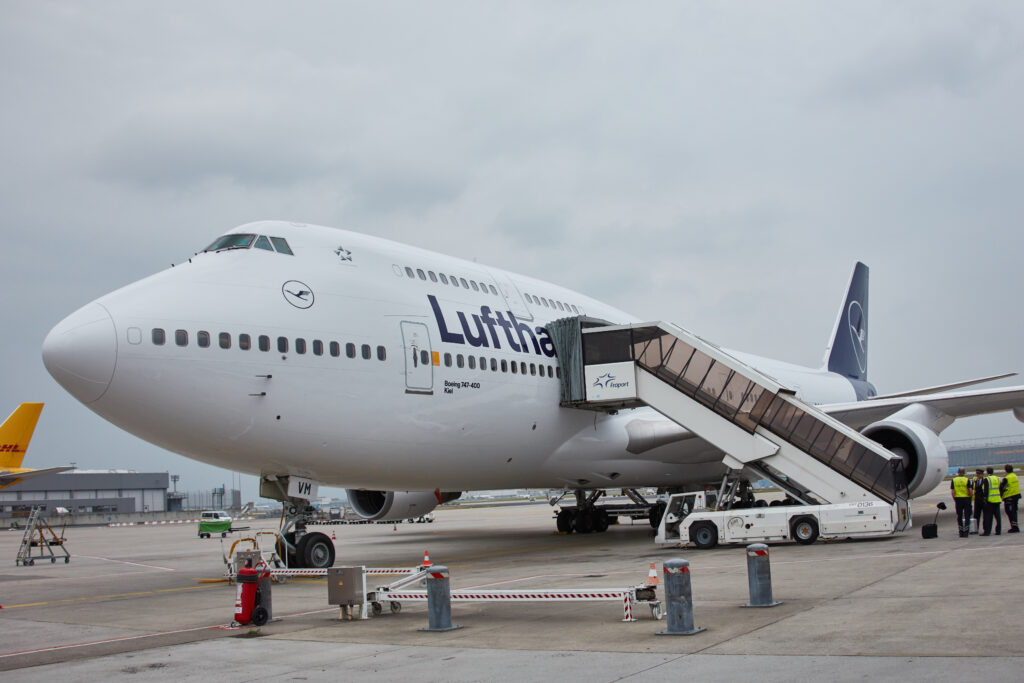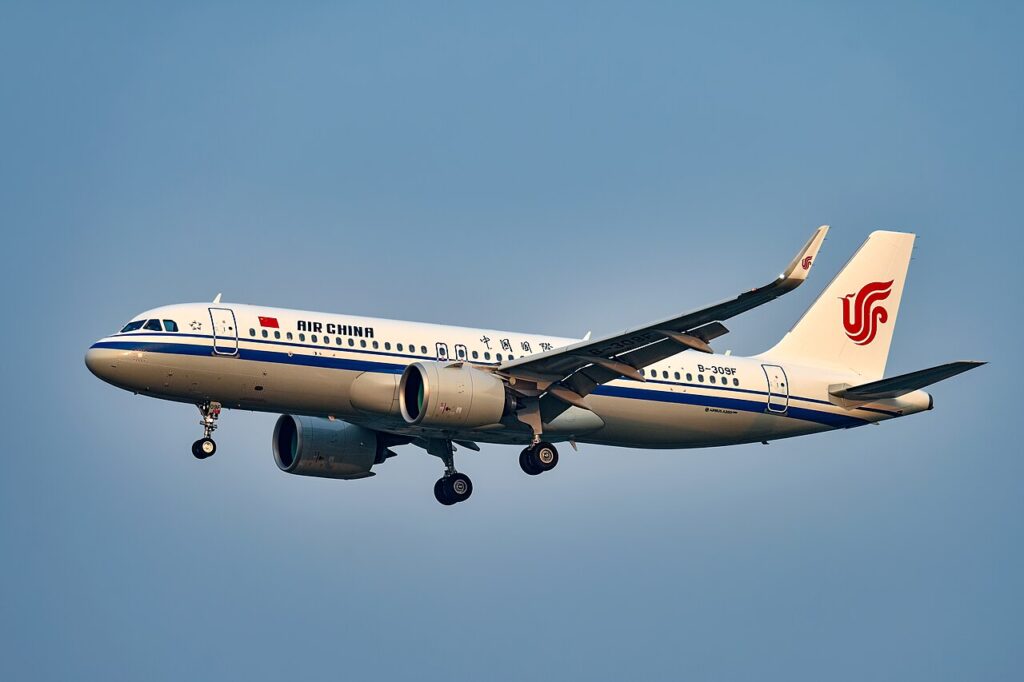

Airbus has disclosed a quality issue affecting a specific batch of metal fuselage panels installed on aircraft from the A320neo family. As a precautionary measure, the manufacturer has ordered inspections on as many as 628 aircraft, including A319neo, A320neo and A321neo models. The company emphasizes that this figure represents the upper limit and will shrink as checks continue and unaffected airframes are identified.
Origin of the issue: out-of-specification fuselage panels
The problem originates from fuselage panels supplied by an external manufacturer that were found to fall outside required production tolerances. According to Airbus, these components may feature thickness deviations or minor dimensional discrepancies that do not align with certified specifications.
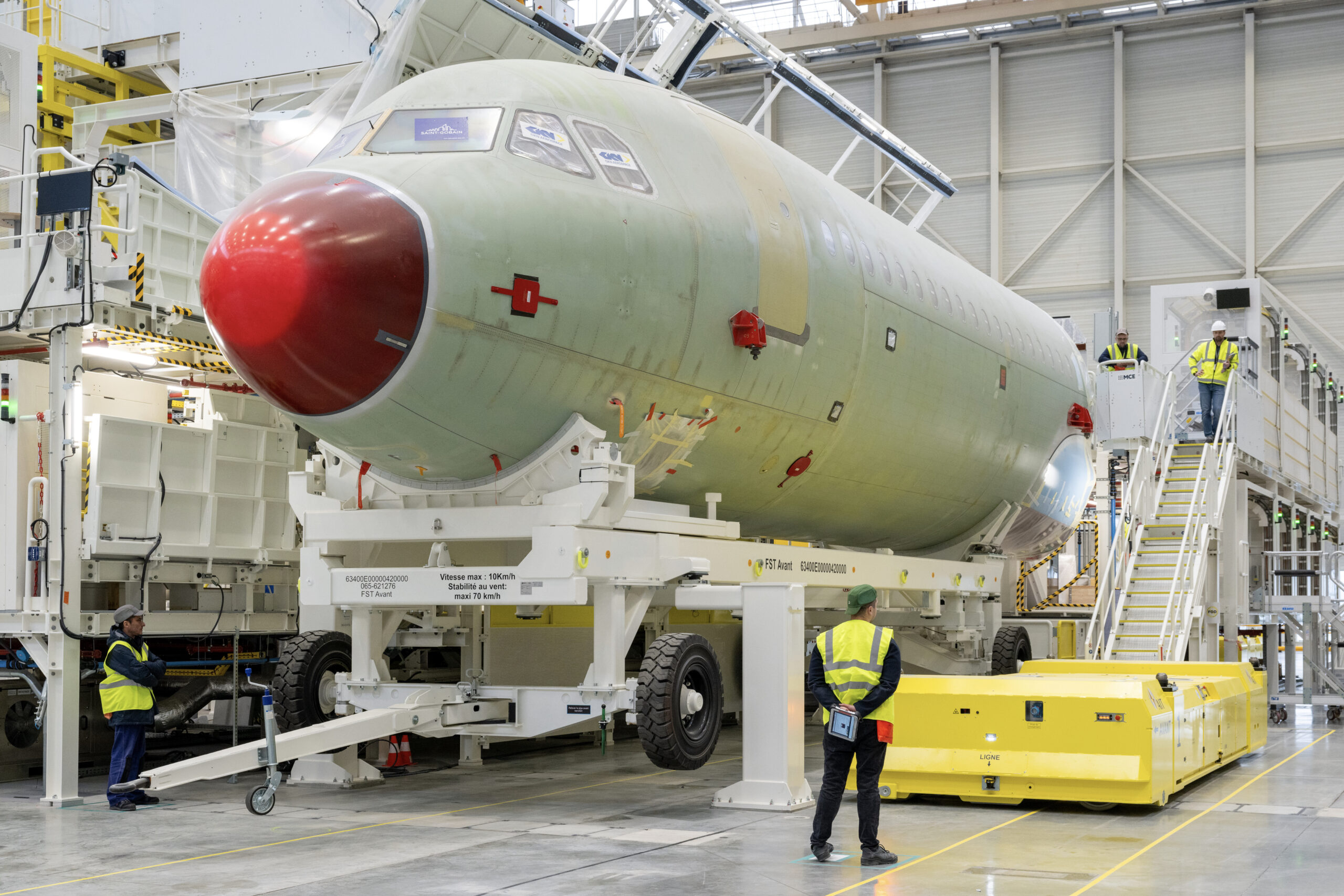
The company stated that the issue has been traced and contained, and all newly produced panels fully meet the quality requirements. The 628 aircraft cited represent the maximum number that could potentially contain affected panels, not the number confirmed to need corrective action.
As inspections advance, Airbus expects the list to decrease “day by day” as airframes are cleared and confirmed to be compliant.
Scope of the inspections
Airbus has instructed operators to perform detailed checks on structural panels located around forward fuselage areas, particularly near door sections and high-load points. These inspections are primarily visual and dimensional, intended to verify that all installed parts match the engineering standards originally certified for the aircraft.
At this stage, Airbus stresses that there is no indication of a safety-of-flight risk. The inspections are being conducted to ensure full structural compliance and to align with regulatory expectations on quality oversight.
Impact on production and delivery targets
The discovery of the quality deviation has not only triggered fleetwide inspections but has also impacted Airbus’s production planning. The manufacturer has adjusted its commercial aircraft delivery target for 2025 from approximately 825 units down to around 790 aircraft.
This reduction — roughly 3.7% — reflects delays caused by the inspection process, reallocation of production resources and the need to incorporate revised quality-control measures. The adjustment underscores how even limited-scope component issues can create ripple effects across a global supply chain.
Market reaction and broader context
The A320neo family is the backbone of Airbus’s global commercial portfolio and the most widely sold narrowbody aircraft line in the world. For this reason, any issue affecting the program draws immediate attention from airlines, regulators and financial markets.
Following the announcement, Airbus shares experienced volatility as investors assessed the potential operational and financial implications. However, sentiment stabilized as the manufacturer reiterated that the defect is contained, limited in scope and not a flight-safety concern.
The situation emerges amid heightened scrutiny across the aviation industry regarding manufacturing standards, supply-chain robustness and consistency in quality assurance. With thousands of A320neo family aircraft on order or in operation, strong oversight remains a critical priority for Airbus and its customers.
Airbus response: conservative checks for maximum assurance
Airbus characterizes its approach as intentionally conservative: instructing inspections for the widest possible group of aircraft rather than restricting the process only to those with confirmed irregularities. The company says this strategy ensures maximum transparency and confidence for operators and passengers alike.
According to Airbus, all new fuselage panels manufactured after the issue was identified now meet full certification and internal quality standards. The supplier involved has been required to correct the underlying process deviations to prevent recurrence.
The manufacturer is coordinating closely with aviation authorities and impacted airlines to manage inspection schedules with minimal operational disruption.
Conclusion
The identification of out-of-spec fuselage panels and the resulting inspections on up to 628 A320neo family aircraft mark a notable quality-control challenge for Airbus in 2025. While the company stresses that flight safety is not compromised, the additional checks and revised delivery targets highlight the complexities of large-scale aircraft production and global supplier networks.
As the inspection process continues and the number of confirmed affected aircraft decreases, airlines and analysts will monitor how quickly Airbus can absorb the operational impact and maintain the sustained production tempo required for one of the world’s highest-demand aircraft lines.