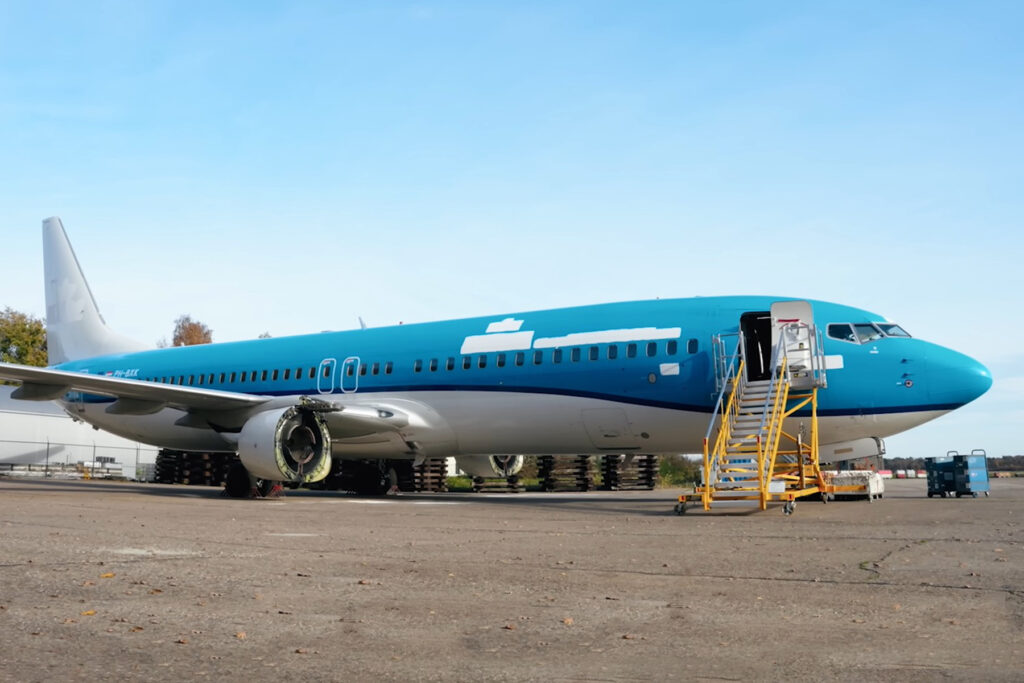

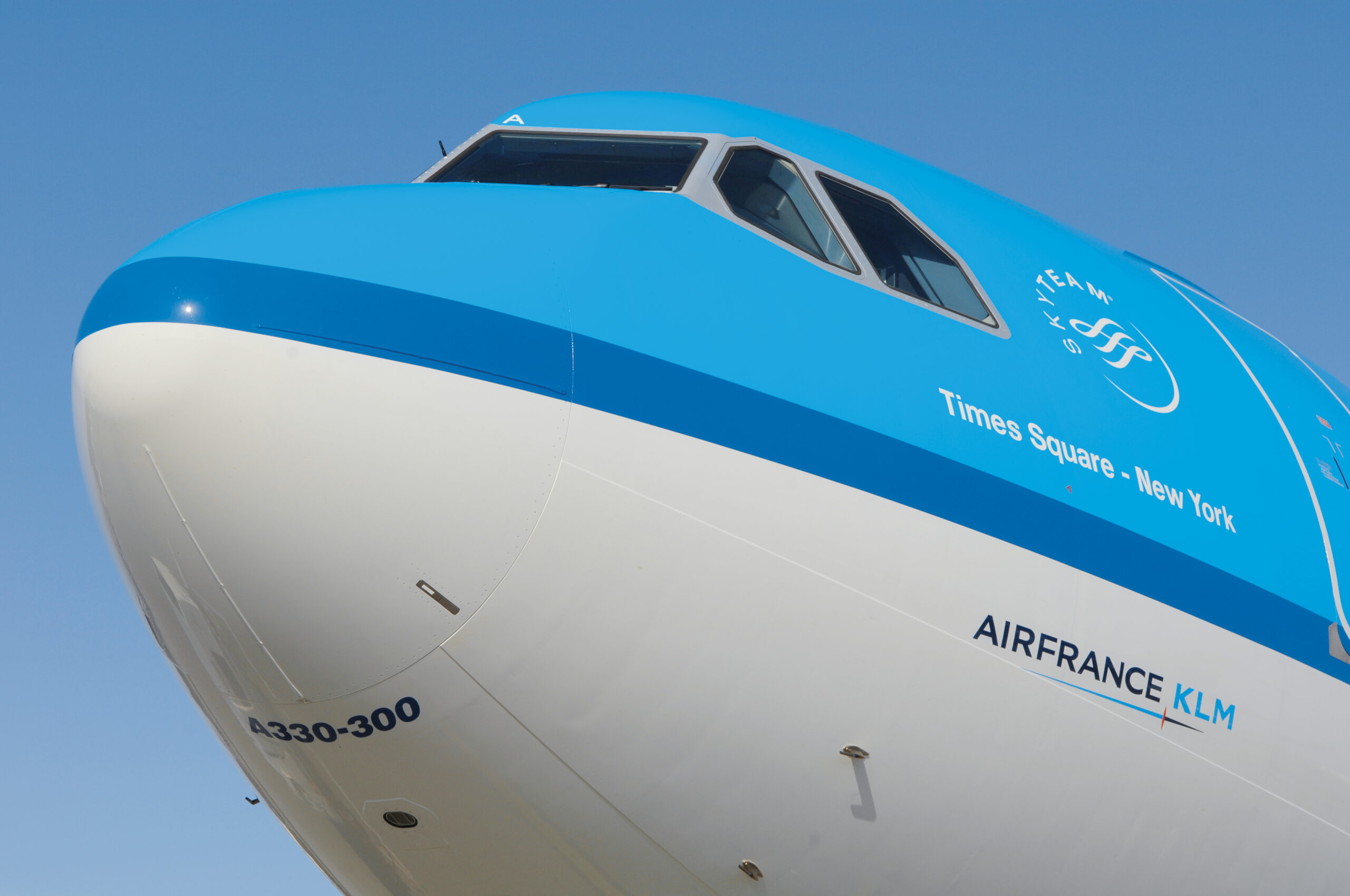
A routine KLM Royal Dutch Airlines flight from Amsterdam to the Caribbean was abruptly disrupted by the discovery of an unwelcome stowaway: a rat. The incident ultimately led to the grounding of the Airbus A330 aircraft in Aruba, leaving more than 250 passengers stranded and necessitating a complex extermination and sanitation process before the plane could be returned to service.
Incident Aboard the Transatlantic Flight
The KLM flight was en route from Amsterdam Schiphol Airport (AMS) on a multi-stop journey to Queen Beatrix International Airport (AUA) in Aruba and onward to Bonaire International Airport (BON). During the transatlantic crossing, passengers and crew members spotted a rat moving along a curtain track inside the cabin.
Given that the aircraft was already several hours into its flight over the Atlantic Ocean, the captain made the operational decision to continue to the scheduled destination of Aruba. This choice aimed to minimize immediate disruption, allowing the flight to land safely before addressing the significant safety and hygiene concerns posed by the rodent.
Aircraft Grounded and Passengers Stranded
Upon arrival in Aruba, KLM immediately took the Airbus A330 out of service. The subsequent legs of the flight, connecting to Bonaire and returning to Amsterdam, were canceled. This decision left over 250 passengers, who were scheduled to travel on the return journey, stranded in the Caribbean.
In response to the disruption, KLM arranged for hotel accommodations for all affected travelers. The airline initiated procedures to rebook passengers on alternative flights. According to reports, the hunt for the stowaway rat took over 36 hours before the animal was successfully captured, delaying the aircraft’s return to service significantly.
Why Rodents on Aircraft Pose a Serious Safety Risk
While uncommon, the presence of a rodent on an airplane is treated as a serious threat to aviation safety. The risks associated with such incidents are multifaceted and extend beyond simple hygiene concerns.
Potential for Critical System Damage
One of the primary dangers is the propensity of rodents to gnaw on materials to control the growth of their incisors. On an aircraft, this behavior can have catastrophic consequences. A rat could chew through critical electrical wiring, data cables, or insulation located in the fuselage, cargo hold, or avionics bay.
Damage to these components could lead to failures in navigation, communication, or flight control systems, creating a severe in-flight emergency. Aviation authorities like the Federal Aviation Administration (FAA) and the European Union Aviation Safety Agency (EASA) have stringent regulations regarding the airworthiness of aircraft, which includes protection against such internal threats.
Health and Sanitation Hazards
Rodents are carriers of various pathogens and can spread diseases through their urine and droppings. On a commercial flight, this poses a direct health risk to both passengers and crew. Contamination of food preparation areas, passenger seating, or air circulation systems is a major concern that requires a thorough and professional deep-cleaning and disinfection process.
Eradication and Prevention Measures
When a rodent is detected, airlines and airport authorities must follow strict protocols. These typically involve:
- Grounding the Aircraft: The plane is immediately removed from service until the issue is fully resolved.
- Extermination: Professional pest control teams are brought in to set traps and, in some cases, fumigate the aircraft to ensure the animal is neutralized.
- Comprehensive Inspection: Maintenance engineers conduct a detailed inspection of the entire aircraft, with a focus on wiring and avionics, to check for any signs of damage.
- Sanitization: The cabin and cargo holds undergo a complete deep clean and disinfection to eliminate any potential biohazards.
Rodents can find their way onto aircraft through various means, including catering services, cargo containers, or by climbing up landing gear while the plane is parked at the gate.
Passenger Rights and Compensation
For the passengers stranded by the cancellation, this incident falls under the purview of European travel regulations. Under EU Regulation 261/2004, passengers whose flights are canceled or significantly delayed may be entitled to compensation, in addition to the carrier’s duty of care (providing meals and accommodation).
Whether this specific incident qualifies as an “extraordinary circumstance” that would exempt the airline from paying compensation can be debated, but typically, issues related to aircraft maintenance and hygiene are considered the airline’s responsibility. Affected passengers have the right to file claims for the disruption to their travel plans.