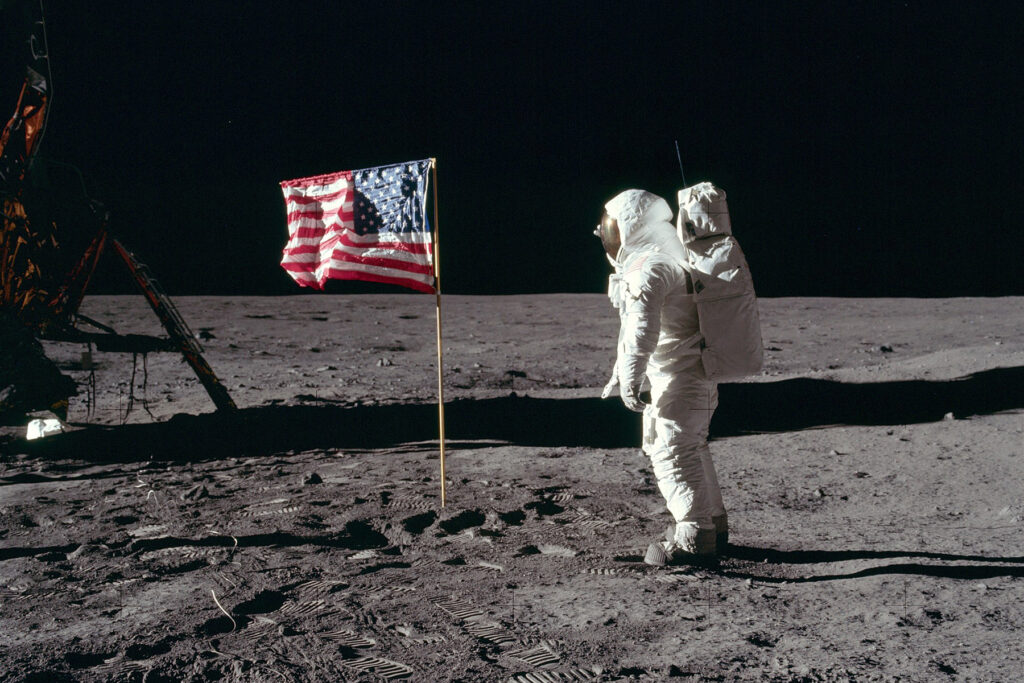

In a decisive move to reassert American dominance in space, President Donald J. Trump has signed an Executive Order mandating NASA to return astronauts to the Moon by 2028. The order outlines a comprehensive, ‘America First’ space policy aimed at ensuring the United States leads the world in exploration, national security, and commercial enterprise beyond Earth’s atmosphere.
This new directive establishes an aggressive timeline not only for a lunar landing but also for creating a sustainable human presence. The order calls for the initial elements of a permanent lunar outpost to be established by 2030, setting the stage for long-term scientific research and resource utilization.
A Renewed Push for Lunar and Deep Space Exploration
The Executive Order represents a significant renewal of the ambitious space exploration goals set during Trump’s first term. While the original Artemis Program was accelerated to target a 2024 landing, this new directive sets 2028 as a firm deadline, refocusing national efforts on a crewed lunar mission as a stepping stone to eventual voyages to Mars.
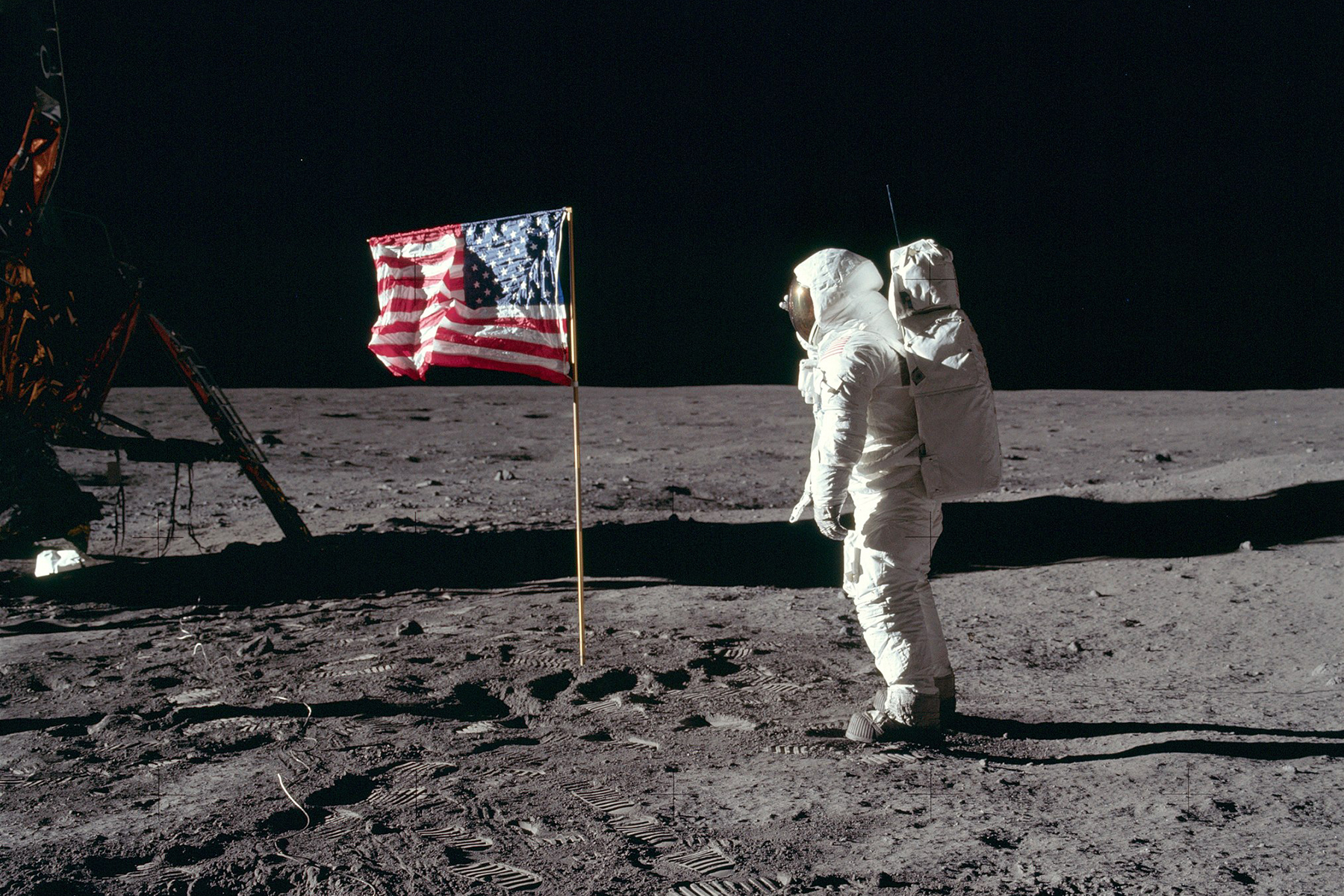
“We will lead humanity back to the Moon, and the United States will be the first nation to land an astronaut on Mars,” the administration affirmed, echoing previous commitments. The policy directs federal agencies to streamline acquisitions and coordinate efforts to ensure the necessary workforce and technology are in place to achieve these milestones.
Nuclear Power on the Lunar Surface
A technologically ambitious component of the order is the directive to deploy nuclear power sources in space. The plan explicitly includes the development and deployment of nuclear reactors both in orbit and on the Moon. A key goal is to have a lunar surface reactor ready for launch by 2030 to power a permanent base.
This initiative aligns with ongoing efforts by agencies like NASA to develop fission surface power systems, which are seen as critical for providing the consistent and substantial energy required for long-duration missions, in-situ resource utilization, and supporting a growing human presence on the Moon and beyond.
Bolstering National Security in the Space Domain
The order places a strong emphasis on the strategic importance of space for national security. It mandates that the United States must develop and maintain the capability to “detect, characterize, and counteract the full range of security threats” to its interests in, from, and to space.
This directive reinforces the central mission of the U.S. Space Force, which was established during Trump’s first presidency. The Space Force is tasked with preparing the Department of Defense for evolving combat conditions and expanding U.S. capabilities in the increasingly contested space domain. Protecting critical assets like GPS satellites and communications infrastructure is highlighted as essential for both military readiness and economic stability.
Stimulating a Vibrant Commercial Space Economy
A core tenet of the new policy is the stimulation of private sector innovation and investment. The order calls for the modernization of national launch infrastructure and the development of a commercial pathway to replace the International Space Station (ISS) by 2030.
Transitioning from the ISS
By charting a course for a commercial replacement for the ISS, the policy aims to transition low-Earth orbit activities to the private sector. This would allow NASA to free up resources and focus on its primary mission of deep space exploration, including the return to the Moon and subsequent missions to Mars. This strategy encourages American free enterprise to generate new economic opportunities and high-paying aerospace jobs.
Benefits of Next-Generation Capabilities
The administration asserts that fostering a robust commercial space economy will yield direct benefits for all Americans. These include:
- Improved positioning, navigation, and timing (PNT) services for applications like precision agriculture.
- More accurate weather forecasting for safer and more predictable air travel.
- Ubiquitous satellite communications to expand access to global broadband internet.
Building on a Space Policy Legacy
This Executive Order builds upon a series of space-focused initiatives from Trump’s previous term. During that time, the administration issued seven groundbreaking space policy directives that reshaped the nation’s regulatory framework for commercial space, established cybersecurity principles for space systems, and initiated the return to the Moon.
Key actions included the 2020 executive orders promoting the recovery and use of space resources and the development of small modular reactors for defense and space exploration. The creation of the Space Force as the first new branch of the Armed Forces in over 70 years remains a cornerstone of this legacy, providing a dedicated military focus on the space domain.
By setting a clear 2028 target for the next American footprints on the Moon, the new policy aims to galvanize national pride, drive technological innovation, and secure U.S. leadership in the final frontier for decades to come.