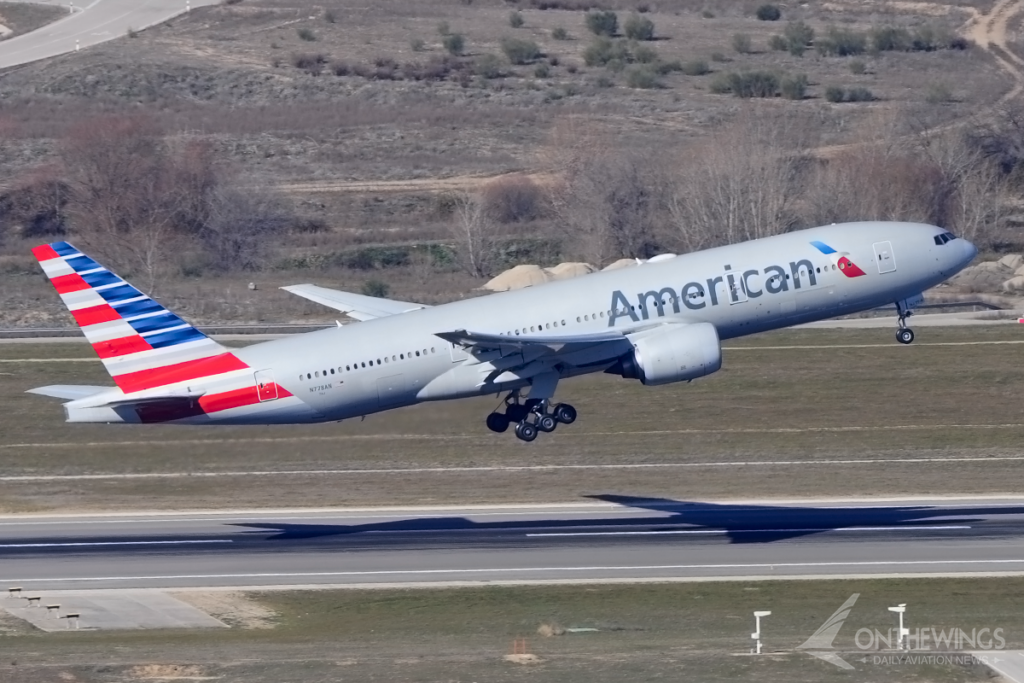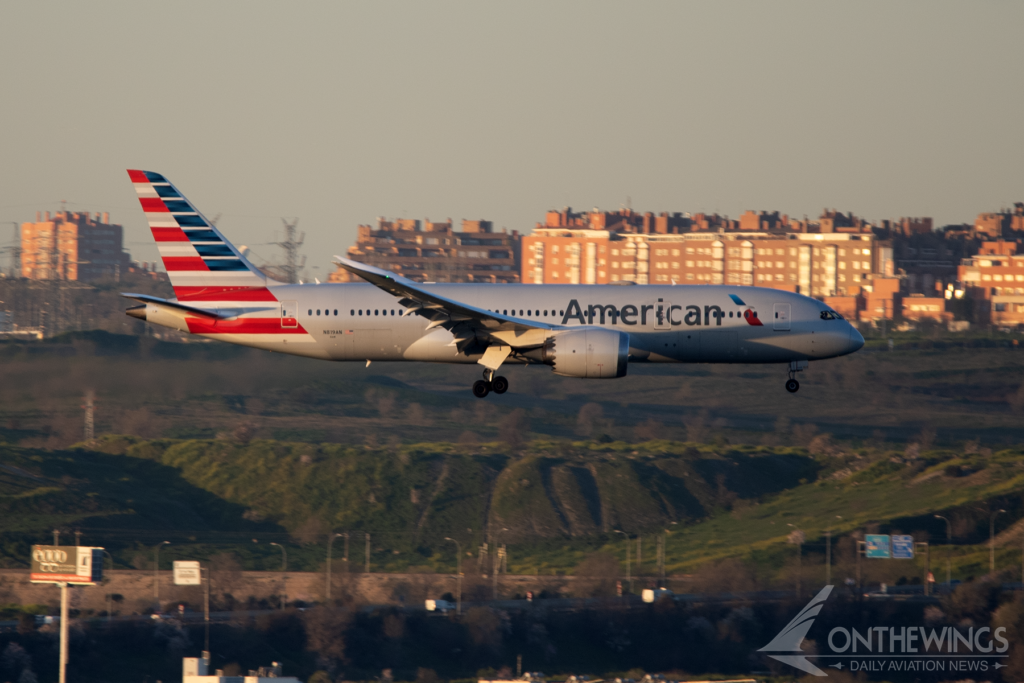

The three largest U.S. airlines — American Airlines, Delta Air Lines, and United Airlines — now jointly hold majority control of Republic Airways, one of the most important regional airline operators in the United States. The development further strengthens the influence of major carriers over the regional airline sector, a critical component of the U.S. domestic aviation system.
At the same time, it has emerged that the current administrator of the :contentReference[oaicite:3]{index=3} (FAA) continues to own a substantial personal stake in Republic Airways, totaling 652,475 shares, a fact that has drawn attention across the aviation industry.
Republic Airways: a cornerstone of the U.S. regional market
Republic Airways is one of the largest regional airline operators in the United States, generating nearly $2 billion in annual revenue. The company operates exclusively under capacity purchase agreements, flying regional services on behalf of major airlines using Embraer E-Jet aircraft.
Republic provides feeder flights for American, Delta and United, linking smaller and mid-sized cities with major hub airports. Its role is essential in maintaining nationwide connectivity, particularly in markets that would otherwise struggle to sustain mainline service.
Joint majority control by the “Big Three”
Over time, American, Delta and United have gradually increased their contractual and financial influence over Republic Airways. Taken together, these relationships now amount to joint majority control of the regional carrier.

Although Republic does not sell tickets under its own brand, its operational and financial dependence on the three major airlines has intensified. This reinforces a system in which regional airlines function as tightly integrated extensions of the large network carriers.
While such arrangements are common in the U.S. aviation market, the degree of concentration in this case has attracted particular scrutiny.
The FAA administrator’s continued ownership stake
One of the most sensitive aspects of the situation is that the current FAA administrator continues to hold 652,475 shares in Republic Airways. While ownership of publicly disclosed shares is not illegal, the revelation has raised questions about potential conflicts of interest, given the FAA’s regulatory authority over airlines and regional operators.
According to available information, the shares were acquired prior to the administrator assuming the current role and have been properly disclosed under ethics and financial reporting rules. Even so, the presence of a significant financial interest in a regulated airline remains controversial within the industry.
Growing concentration in the regional airline sector
The increasing consolidation of regional airlines under the effective control of major carriers highlights broader structural trends in U.S. aviation. Regional operators have faced mounting challenges in recent years, including pilot shortages, rising labor costs and heavy reliance on a small number of network partners.
For American, Delta and United, securing tighter control over regional capacity is a way to protect their domestic networks and ensure reliable feeder service to major hubs, particularly at a time when aircraft availability and staffing remain constrained.
Implications for passengers and competition
For passengers, this model typically delivers a seamless travel experience, with regional flights fully integrated into the branding, scheduling and loyalty programs of the major airlines. However, it also reduces the number of independent operators and may limit competitive pressure in certain regional markets.
From a strategic perspective, majority control of Republic Airways provides stability for the Big Three, ensuring consistent access to regional aircraft and crews that are essential to their network strategies.
A situation under industry scrutiny
The combination of joint majority control by American, Delta and United, along with the FAA administrator’s continued shareholding, has placed Republic Airways under close observation by analysts, industry experts and policy observers.
While no formal investigation has been announced, the case underscores the complex intersections between regulation, ownership and operational control in the U.S. aviation system.
Conclusion
The shift to majority control of Republic Airways by American, Delta and United marks another step toward deeper consolidation in the U.S. airline industry, particularly in the regional segment. At the same time, the FAA administrator’s significant ownership stake adds a layer of sensitivity to an already complex situation.
As a key provider of regional connectivity, Republic Airways will remain closely tied to the strategies of the nation’s largest airlines, while the broader implications of this ownership structure continue to be debated across the aviation sector.