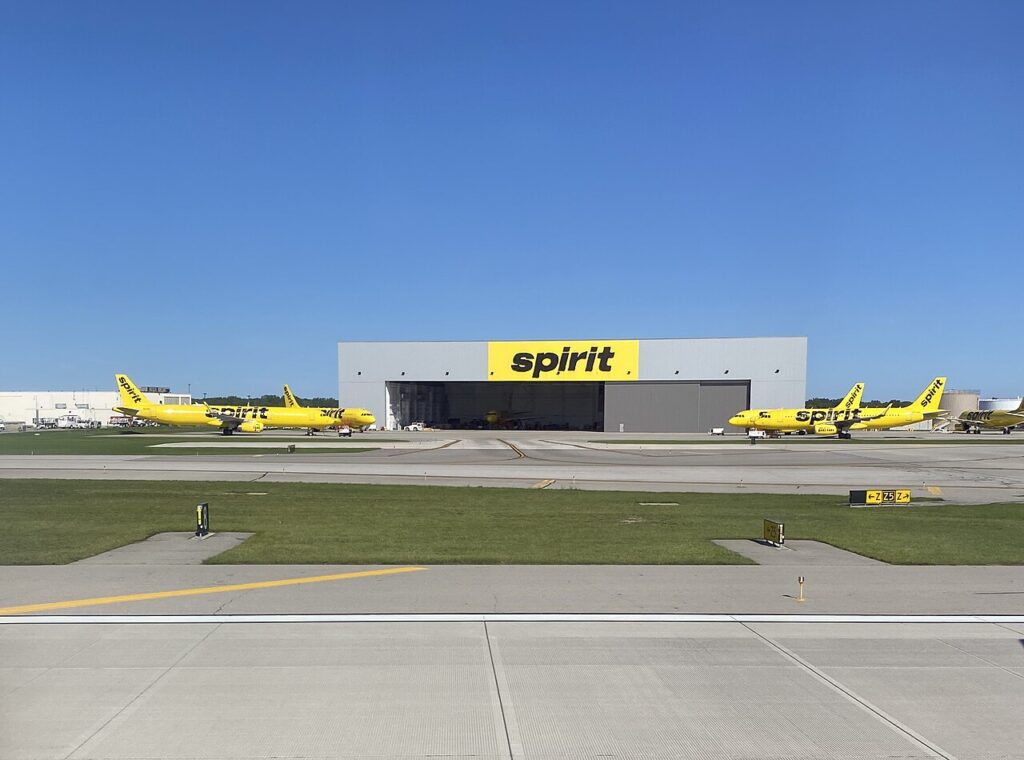

Boeing announced on December 8, 2025, that it has formally completed the acquisition of Spirit AeroSystems, in a deal valued at approximately $4.7 billion in equity value — or around $8.3 billion of enterprise value including assumed debt.
What the deal includes and its strategic significance
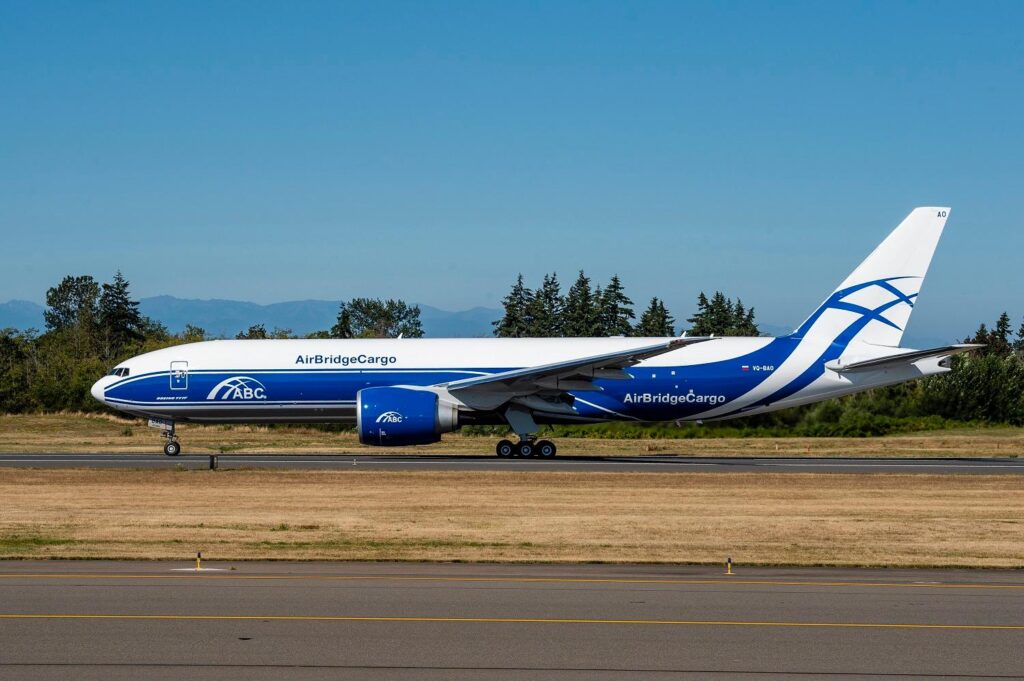
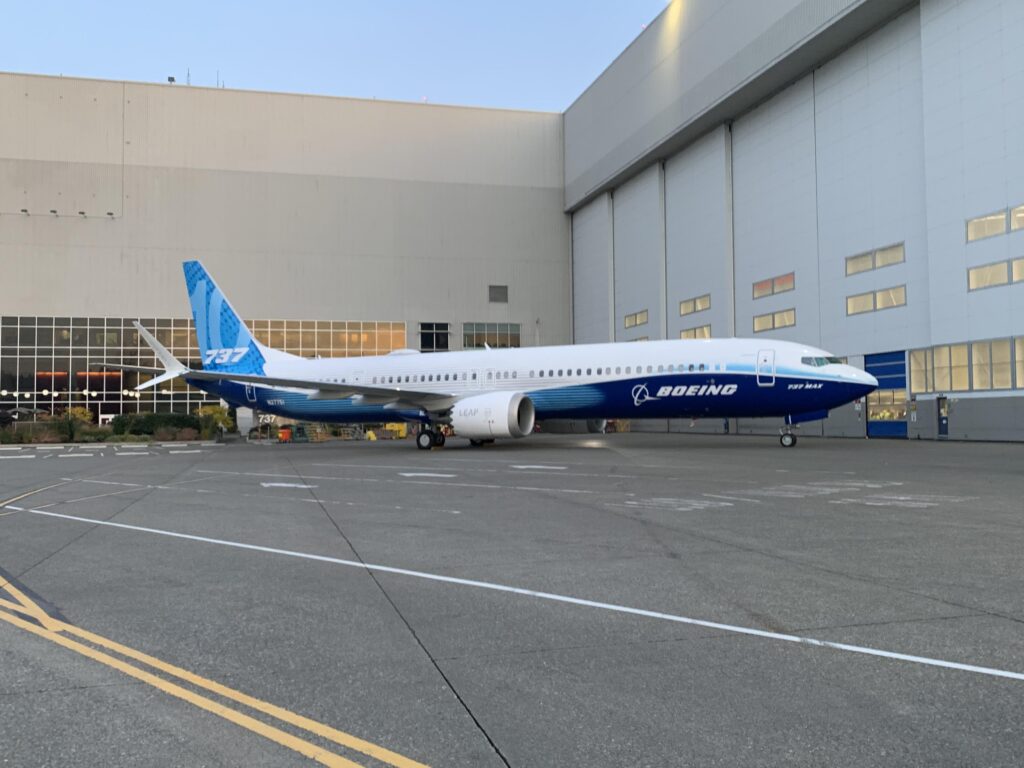
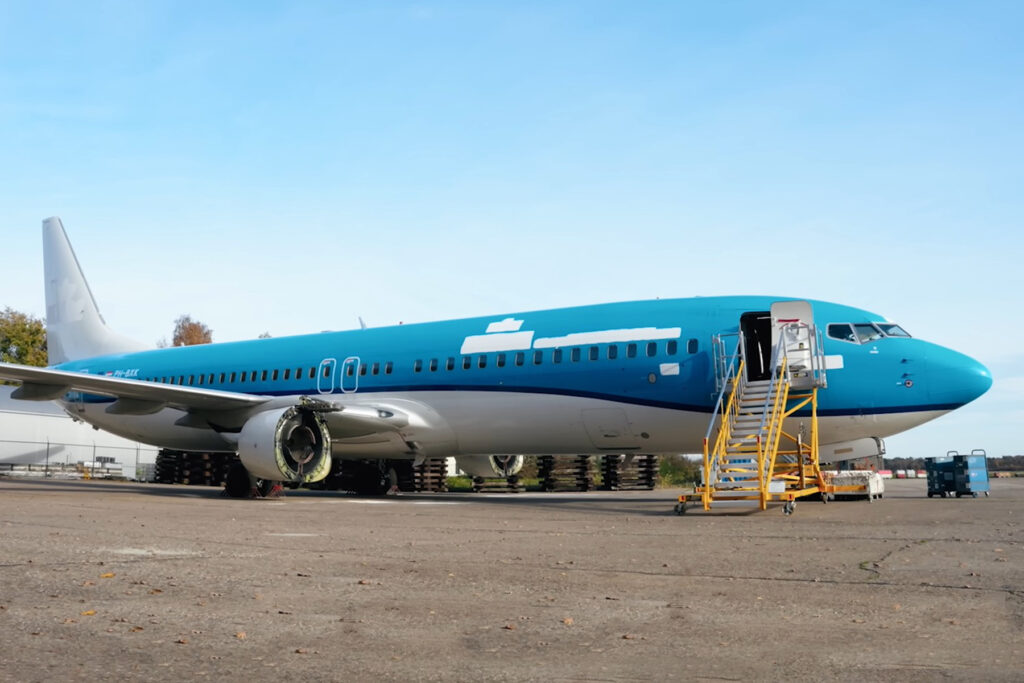
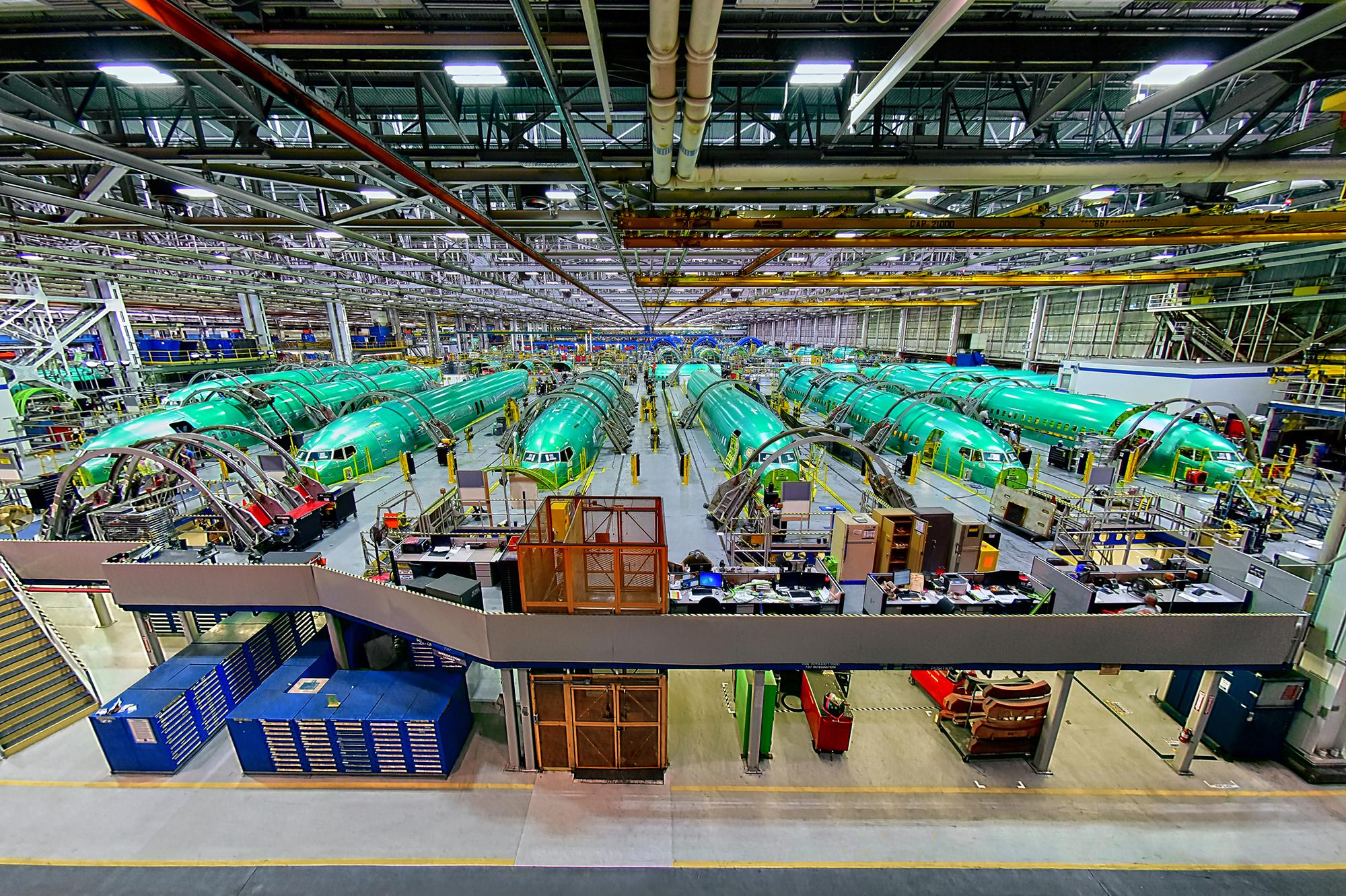
The acquisition brings back in-house all of Spirit’s Boeing-related commercial operations — including fuselages for the 737 program and major structural components for the 767, 777 and 787 wide-bodies. It also covers fuselages procured for military platforms such as the P-8 maritime patrol aircraft and the KC-46 tanker.
Additionally, will absorb Spirit’s aftermarket, maintenance, repair and overhaul (MRO) operations, expanding its global maintenance footprint and integrating the supplier’s spare-parts business under Boeing’s control, it has also established a separate subsidiary — Spirit Defense — to maintain continuity of defense-related activities.
Regulatory approval and the role of asset divestments
The acquisition had to clear significant regulatory scrutiny, especially in the U.S. and Europe. The European Commission (EC) approved the deal in October 2025 after Boeing committed to divest certain Spirit assets to rival manufacturers to preserve competition — in particular those Spirit operations supplying components to competitors such as Airbus.
As a result, several facilities and business units of Spirit AeroSystems were sold: Airbus acquired those related to its civil-aircraft programs, while other units — such as Spirit’s Malaysian facilities and some composite-materials divisions — were sold to independent third-party firms.
Why Boeing made this move: quality, control and stabilizing the supply chain
In recent years, the american manufacturer and the industry raised concerns about recurring quality and production issues linked to outsourced fuselage manufacturing. The supply-chain disruptions — especially affecting the 737 program — prompted Boeing to reconsider the outsourcing model. Reabsorbing Spirit AeroSystems is meant to give Boeing tighter control over critical structural components, quality assurance, delivery schedules and overall manufacturing reliability.
By internalizing fuselage and structural production, Boeing can potentially streamline coordination between design, manufacturing and final assembly, reducing lead times and mitigating risks associated with third-party suppliers. It also aligns with the company’s goal to reinforce safety, quality and consistency across its aircraft portfolio. As Boeing’s CEO put it, this is a “pivotal moment” for the company’s future success.
What changes for Spirit AeroSystems and its workforce
Under the terms of the acquisition, approximately 15,000 employees from Spirit’s US and global sites — including Wichita (Kansas), Dallas, Tulsa (Oklahoma), and the Aerospace Innovation Center in Prestwick, Scotland — are now part of manufacturer.
Facilities in Northern Ireland (Belfast) will continue under Boeing ownership as an independent subsidiary branded as Short Brothers. Meanwhile, all operations related to Airbus aircraft programmes (fuselage/wing components) were transferred to Airbus or other approved buyers.
In practical terms, this means Spirit AeroSystems ceases to exist as an independent “multi-OEM” aerostructures supplier. Its former assets are now split between Boeing, Airbus and other parties — a structural realignment with major implications for the global aerospace industry.
Implications for the aerospace industry and future outlook
This consolidation reshapes the supply-chain dynamics of commercial aircraft manufacturing. By bringing critical fuselage and structural production in-house, Boeing seeks to stabilize production flows, improve quality control, and reduce dependency on external suppliers — a trend toward vertical integration in aerospace.
For airlines and MRO (maintenance, repair and overhaul) providers, the expanded Boeing aftermarket presence may lead to more streamlined parts supply, potentially lower lead times for structural repairs, and better integrated support services. For competitors, the divestments to Airbus and other entities help maintain a competitive balance in aerostructure supply.
Finally, the decision can be interpreted as part of its long-term recovery strategy: after years of scrutiny over safety and production issues — especially surrounding the 737 MAX programme — controlling its supply-chain may help rebuild trust, improve manufacturing consistency and reduce the risk of structural problems.
Conclusion: a turning point for Boeing and the aerostructures sector
The completion of Boeing’s acquisition of Spirit AeroSystems marks the end of an era of outsourced aerostructures and the beginning of a new phase of in-house manufacturing and vertical integration. For Boeing, it represents a bold bet on quality, control and supply-chain stability. For Spirit AeroSystems, it means dismemberment and absorption — a formerly independent supplier transformed into internal operations of the world’s largest airliner manufacturer and, in part, redistributed among its major competitor and other firms.
In an industry increasingly pressured by quality, safety, environmental standards and supply-chain resilience, this deal may set a precedent. The aerospace world — airlines, regulators, suppliers — will now watch closely whether Boeing can deliver on its promise of improved consistency, better quality and more dependable manufacturing for its next generation of aircraft.