
A United Airlines Boeing 777-200 operating as Flight 803 to Tokyo, Japan, made a safe return to Washington Dulles International Airport (IAD) on December 13, 2025, following a significant engine failure that occurred shortly after takeoff. The incident, which resulted in no injuries to the 275 passengers and 15 crew members, also triggered a brush fire on airport grounds from a separated engine component.
The aircraft landed safely back at Dulles, where emergency crews were on standby. United Airlines confirmed the event, stating the flight returned due to “an issue with one engine” and that passengers would be accommodated on a different aircraft to continue their journey to Tokyo.
A Controlled Emergency and Safe Return
United Flight 803 departed from Washington Dulles on the afternoon of December 13. Minutes into its climb, the flight crew reported an engine malfunction and declared an emergency, initiating a turn back towards the airport. The crew’s swift and professional handling of the situation ensured the aircraft remained under control throughout the event.
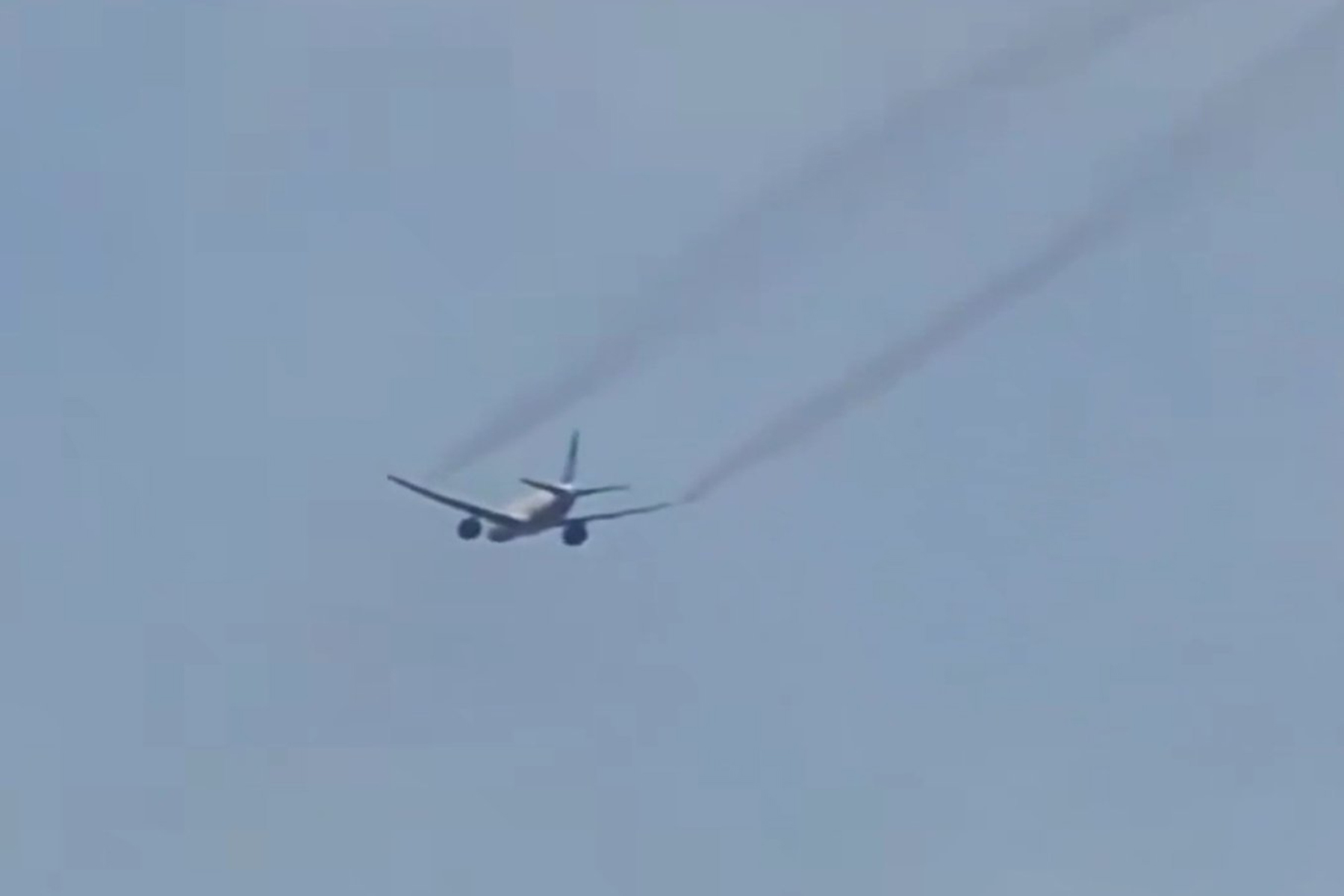
Passengers were safely deplaned at the terminal after the uneventful landing. The successful management of the in-flight emergency highlights the extensive training pilots undergo to handle such critical scenarios, including operating a multi-engine aircraft with one engine inoperative.
Ground Fire and Airport Response
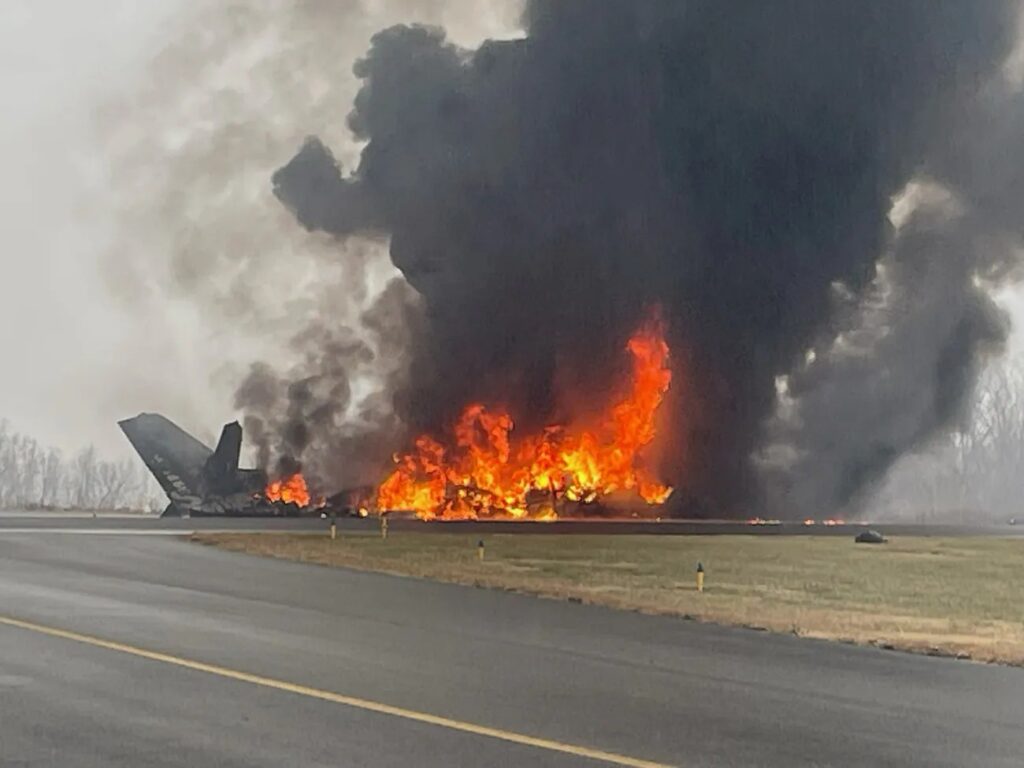
Shortly after the aircraft reported the engine issue, smoke was visible on airport property. The Metropolitan Washington Airports Authority confirmed that a small brush fire was ignited near a runway. Emergency services responded immediately and quickly extinguished the blaze.
Transportation Secretary Sean Duffy later stated on social media that a piece of the engine’s outer covering had separated from the aircraft, fell to the ground, and caused the fire. Airport operations continued with minimal disruption despite the visible emergency response.
The Aircraft and Engine Under Scrutiny
The incident involves two of the most reliable assets in modern aviation: the Boeing 777 airframe and the General Electric GE90 engine. The subsequent investigation will focus on determining the root cause of the failure in this highly dependable system.
The Boeing 777-200: A Workhorse of Long-Haul Aviation
The Boeing 777 is a twin-engine, wide-body aircraft with an exemplary safety record. First introduced in the 1990s, it became a staple for airlines worldwide for long-haul routes, praised for its efficiency and reliability. Its design allows it to fly for extended periods on a single engine, a certification known as ETOPS (Extended-range Twin-engine Operations Performance Standards), which is a critical safety feature for transoceanic flights.
Power and Reliability: The GE90 Engine
The aircraft involved was powered by two General Electric GE90 engines. The GE90 series is a family of high-bypass turbofan engines built exclusively for the Boeing 777 family and is recognized as one of the most powerful and reliable jet engines ever built. Variants of the GE90 can produce between 81,000 and 115,000 pounds of thrust.
Despite their immense power, these engines have a remarkable service history and an outstanding safety record. Major failures like the one experienced by Flight 803 are exceedingly rare, making this incident a significant point of interest for investigators and engineers.
Official Investigation Now Underway
The United Airlines Boeing 777 engine failure is now the subject of a formal investigation by federal authorities. Such inquiries are standard procedure and are crucial for maintaining and improving aviation safety standards globally.
FAA and NTSB Roles
The Federal Aviation Administration (FAA) immediately confirmed it would lead the investigation. In a preliminary statement, the agency identified the aircraft and confirmed the crew had reported an engine failure. The FAA’s primary role is to determine if any airworthiness directives or regulatory changes are needed.
The National Transportation Safety Board (NTSB) has not yet announced if it will lead a parallel investigation. The NTSB typically takes charge of inquiries involving substantial aircraft damage or serious injuries, but it may also participate if the incident reveals potentially significant safety issues.
Investigators will meticulously examine the damaged engine, review flight data and cockpit voice recorders, and interview the flight crew and maintenance personnel to understand the sequence of events that led to the failure. Until a formal assessment is issued, the exact cause remains undetermined.